
What if the next big market opportunity for Ontario farmers is sitting right inside the province’s schools?
A new report, Growing Local: Strengthening School Food Programs with Ontario Food, is putting school food programs on the menu as a potential driver of Ontario’s local food econo my. Facilitated by Sustain Ontario, produced by Wilton Consulting Group, and funded by the Schad and Greenbelt Foundations, the report explores how increasing the amount of Ontario-grown food served in schools could benefit students, farmers, food producers and communities across the province. (1)
The opportunity is significant. Ontario’s Student Nutrition Programs currently provide more than 140 million meals and snacks to over one million students every year. The report estimates that increasing local food procurement through school food programs could potentially open up a $200-million annual market for Ontario-grown and regionally grown food (1).
That means a school lunch can be more than just a meal, it can also be a connection between students and the farmers who grow their food.
A Local Lunch with a Big Impact
Ontario already has a strong agricultural foundation.
More than 48,000 farms across the province produce over 200 types of food, and Ontario supplies more than half of the food consumed by its residents. The Greenbelt is an important part of this system, protecting 750,000 acres of highly productive farmland where crops such as apples, peaches, carrots and sweet corn are grown. (1)
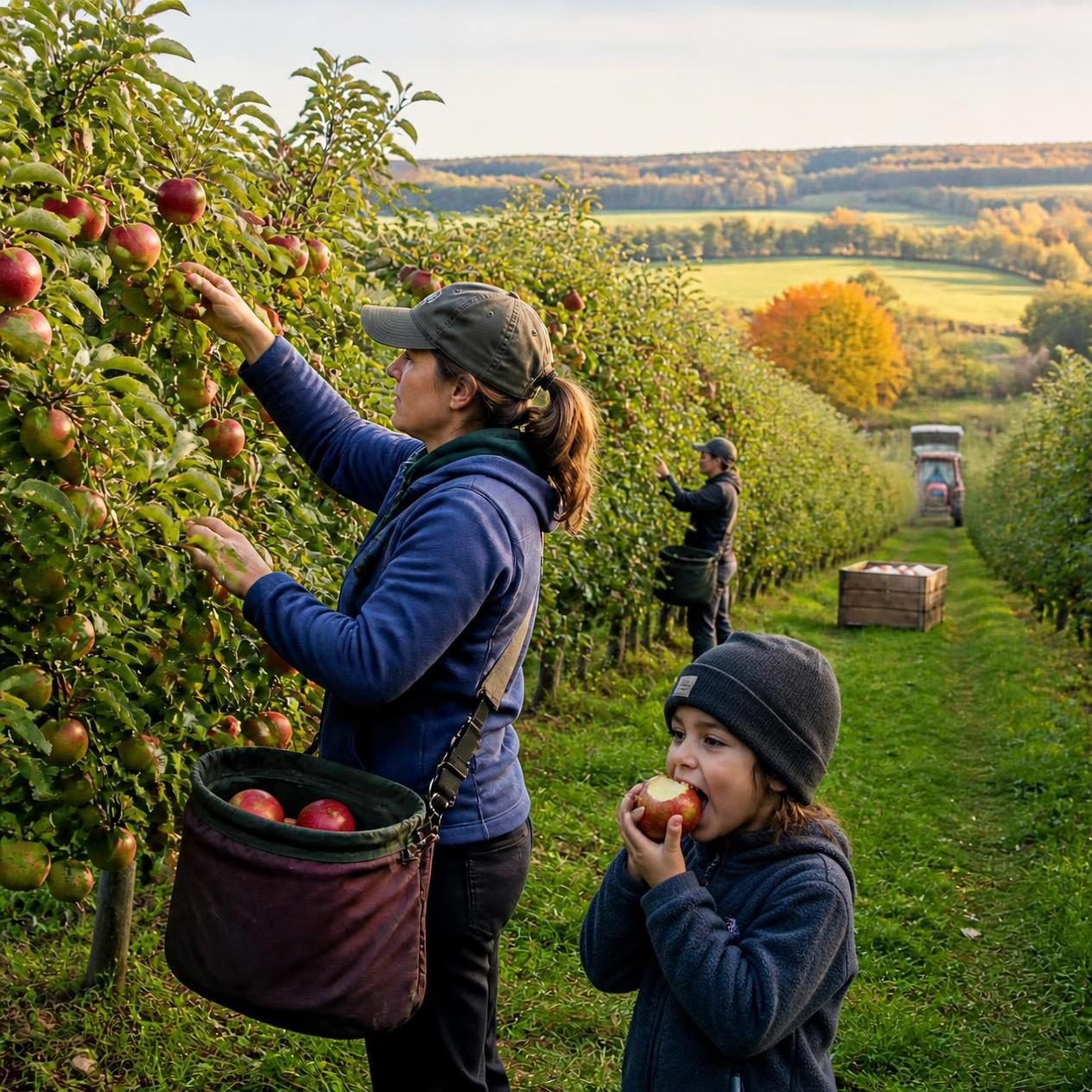
Its location is especially valuable. The Greenbelt surrounds many of Ontario’s largest population centres, placing productive farmland close to the communities and schools that need food. Increasing local procurement could therefore create a stronger connection between nearby farms and school cafeterias. The benefits could extend well beyond the lunchroom. Purchasing more Ontario food would provide farmers and food producers with additional and potentially more stable markets, while supporting processors, distributors and other businesses involved in moving food from the farm to the plate.
“By protecting food production near Ontario’s major population centres, the Greenbelt helps ensure our students have access to fresh, home-grown food, which is essential for their wellbeing and success. Expanding local food procurement in our schools provides unique economic and social benefits while ensuring our food systems are healthier for both people and the planet.” Edward McDonnell, CEO, Greenbelt Foundation
A June 2026 Greenbelt Foundation release highlighted the broader economic importance of the opportunity. Ontario’s agri-food sector contributes more than $50 billion to provincial GDP and supports almost 900,000 jobs, while agricultpartnerships between schools and regional farmers, improving connections between producers and Ontario’s Student Nutrition Programs, developing a provincial school food and logistics coordinator, supporting local food and processing innovations, and creating seasonal menu tools for schools. (2)
 One proposed pilot would put this approach into practice by expanding Ontario apple procurement for student nutrition programs. The pilot would bring together Ontario Apple Growers, packers, distributors and schools to increase the supply of locally grown apples, establish procurement specifications and coordinate delivery pathways. It would also test whether the model could eventually be expanded to other fruit commodities. (3)
These changes could help address one of the biggest challenges in local food procurement: connecting supply with demand. Farmers need reliable markets, while schools need food that is affordable, available, nutritious and practical to serve. Better coordination between these groups could help bridge that gap.
For Ontario’s agri-food sector, the opportunity is particularly timely. With global trade tensions and tariffs creating uncertainty in food markets, strengthening domestic and regional food systems can help build greater resilience. (2)
More Than a Meal
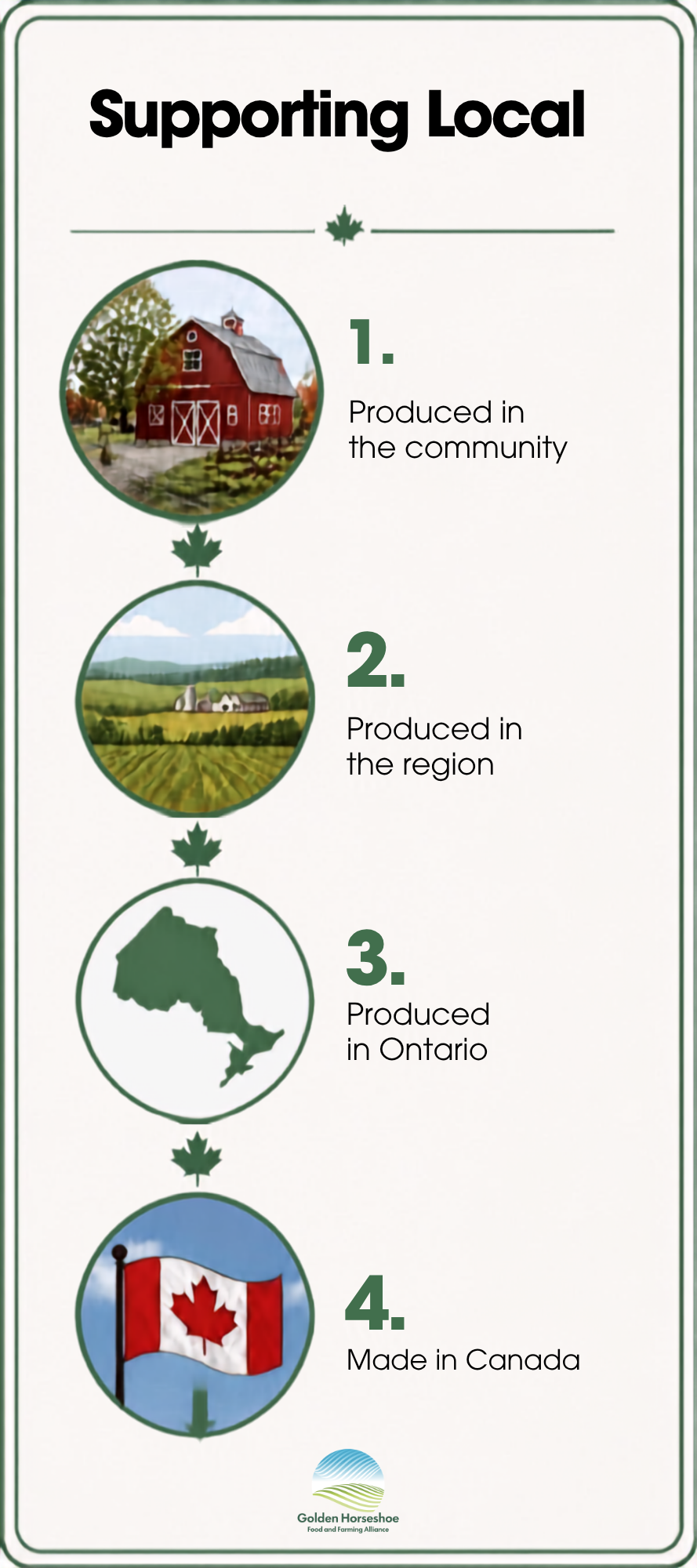 Ultimately, bringing more Ontario food into schools is about more than where students’ food comes from. It is an opportunity to strengthen relationships between farmers, communities and the next generation of consumers. A carrot grown on an Ontario farm, an apple from the Greenbelt or sweet corn produced close to home can become a small lesson in agriculture, food systems and the importance of protecting productive farmland.
The Growing Local report makes a compelling case: Ontario’s school food programs could become an important market for local agriculture while helping students access fresh, nutritious food. With the right investment, coordination and partnerships, the school cafeteria could become one of the province’s most unexpected and promising places to grow Ontario’s local food economy.
Sources
- https://greenbelt.ca/research-report/growing-local/?utm_medium=email&utm_campaign=Growing-Local-report-eblast-%28agri-food%29&utm_source=Envoke-Growing-Local—Agri&utm_term=New-Report%3A-School-Meals-Could-Drive-Growth-in-Ontario-and-G
- https://greenbelt.ca/school-meals-could-drive-growth-in-ontario-and-greenbelt-agri-food-sectors-new-report-finds/
- https://greenbelt.ca/wp-content/uploads/2026/04/Growing-Local_Strengthening-School-Food-Programs_Final.pdf