
For Sue-Ann Staff, having a winery is about creating a product that people can connect to. It is about putting an experience in a bottle and sharing it with the people who bring it to life. It is also about knowing when to embrace tradition and when to try something new.
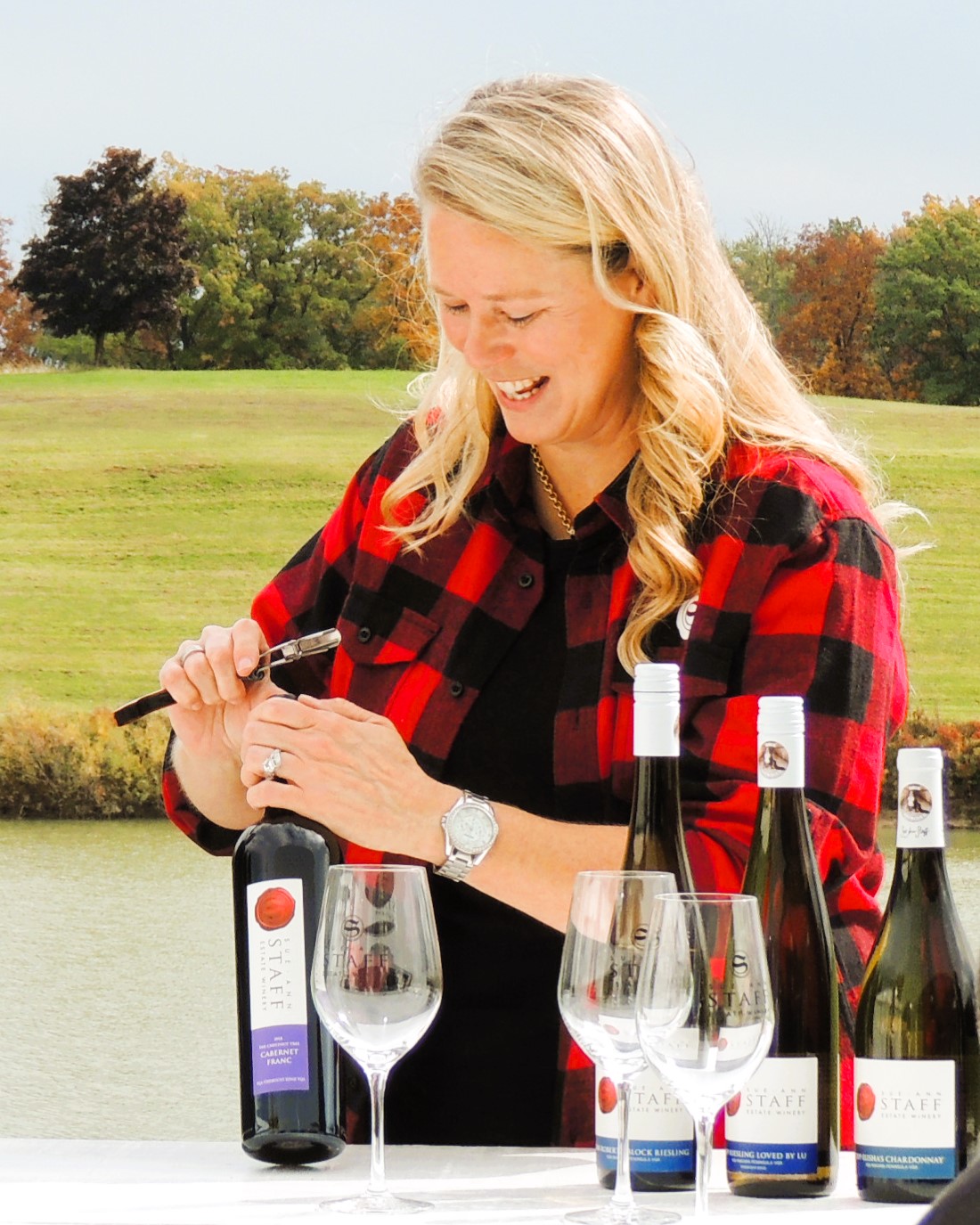 As a fifth-generation grape grower and owner of Sue-Ann Staff Estate Winery in Jordan, Ontario, Staff has spent her career watching the wine industry evolve. She says she notices a shift, as younger consumers look for beverages that fit their lifestyles, driving demand in lower alcohol and lower sugar wines that offer a different way to enjoy the wine experience.
“People are moving to low sugar and low alcohol, and there is a big push towards health-conscious consumers,” Staff says.
For Staff, this shift creates more choices for consumers and allows their winery to showcase the quality of their wine in new ways.
Reshaping the Wine Industry
Staffs’ observations mirror global market trends. Research from IWSR, (originally called the International Wine and Spirits Record) a global beverage alcohol market research organization, shows a growing interest in this category. Across the world’s 10 largest no and low alcohol markets, the category grew 13 percent in 2024. IWSR also reported that 38 million consumers shifted towards purchasing low alcohol beverages. (IWSR, 2025)
The growth of the category is part of a broader shift in how consumers approach beverages in the younger generation. For younger consumers, moderation does not necessarily mean giving up alcohol altogether. Instead, there is an increased interest in purchasing beverages that better suit the occasion and lifestyle. A consumer might choose a full-bodied wine for a special dinner, a crisp white wine for a summer afternoon or a lower alcohol option when relaxing at home.
Staff has noticed this shift particularly among younger female consumers. She says women account for approximately 58 percent of household wine purchasing, making them an important demographic in the wine market.
She has also noticed changing drinking habits of wine among women. Wine has often been associated with large social gatherings, However, Staff is seeing more women enjoying a glass on their own, whether that be winding down at the end of the day or decompressing.
Crafting Wine for Today’s Lifestyle
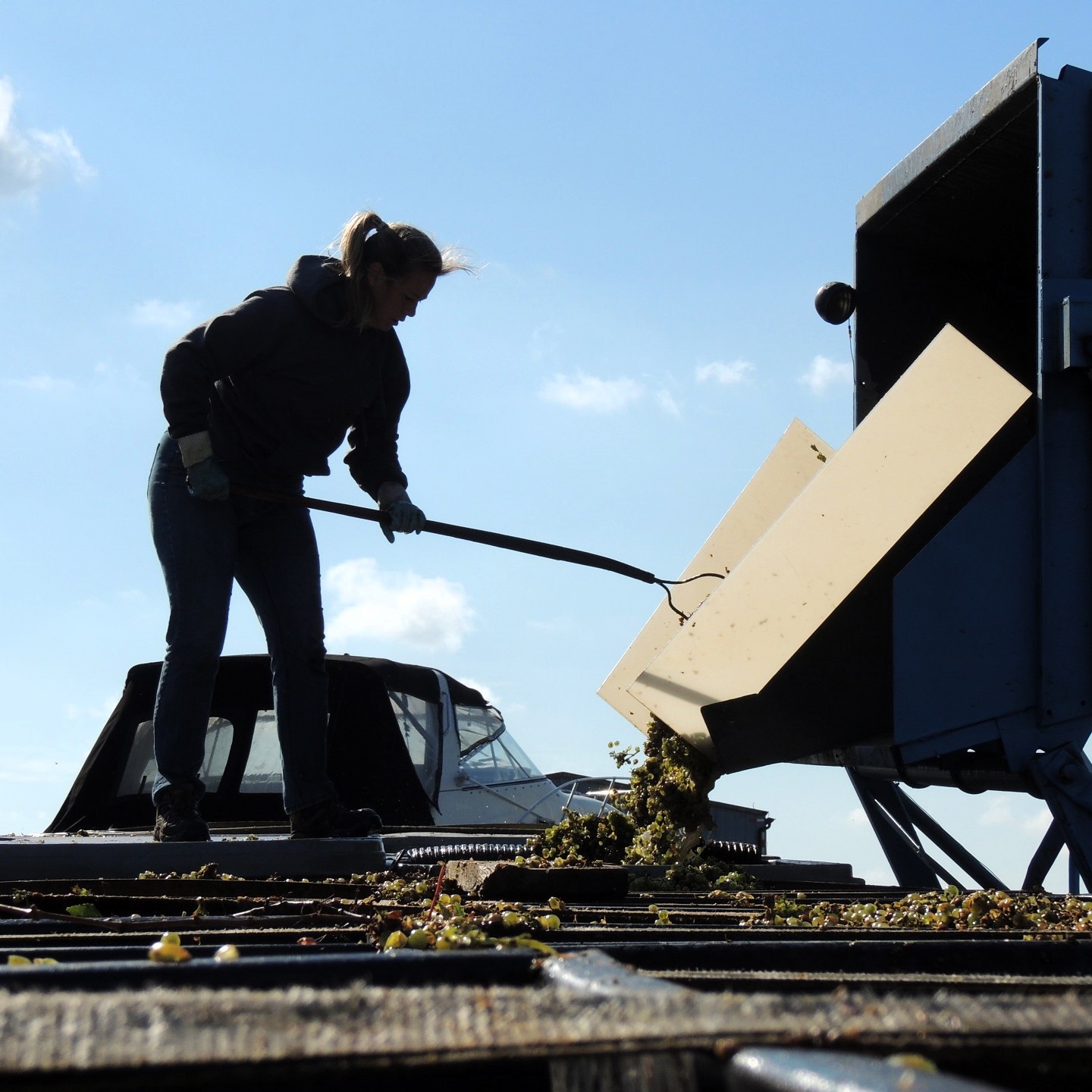 One example is Fancy Farm Girl Fashionable Vidal; a wine Staff first developed in 2021 after noticing changes in consumer preferences. The wine has since become particularly popular among younger female consumers. Made with Vidal grapes, a variety well suited to Ontario’s growing conditions, Fashionable Vidal offers a lighter style while maintaining the quality expected from Ontario premium wines.
At 10.3 percent alcohol and 3.0g/L of residual sugar, the wine offers an option for consumers interested in lower sugar and moderate alcohol wines. Creating a wine that meets changing consumer preferences comes with its own challenges, Staff says.
The Challenge Behind Every Bottle
“When you take alcohol and sugar away, it loses volume, texture and richness,” Staff explains.
Without those elements, winemakers have fewer components to rely on when developing their finished product, making the quality of the grapes and the winemaking process even more important.
“When you take the two away, you have to rely on the wine quality,” Staff says.
For consumers, the goal is not necessarily to choose between traditional wine and newer options. Instead, the growing category offers more flexibility, allowing people to choose a beverage based on the occasion.
The trend also highlights that consumers are not necessarily choosing just one category of beverage. IWSR research found that Gen Z (born 1997 to 2012) represents a growing share of no- and low-alcohol beverage purchases, while consumers continue to move between no-alcohol, low-alcohol and full-strength beverages depending on the occasion. (IWSR, 2026)
Why Local Matters More than Ever
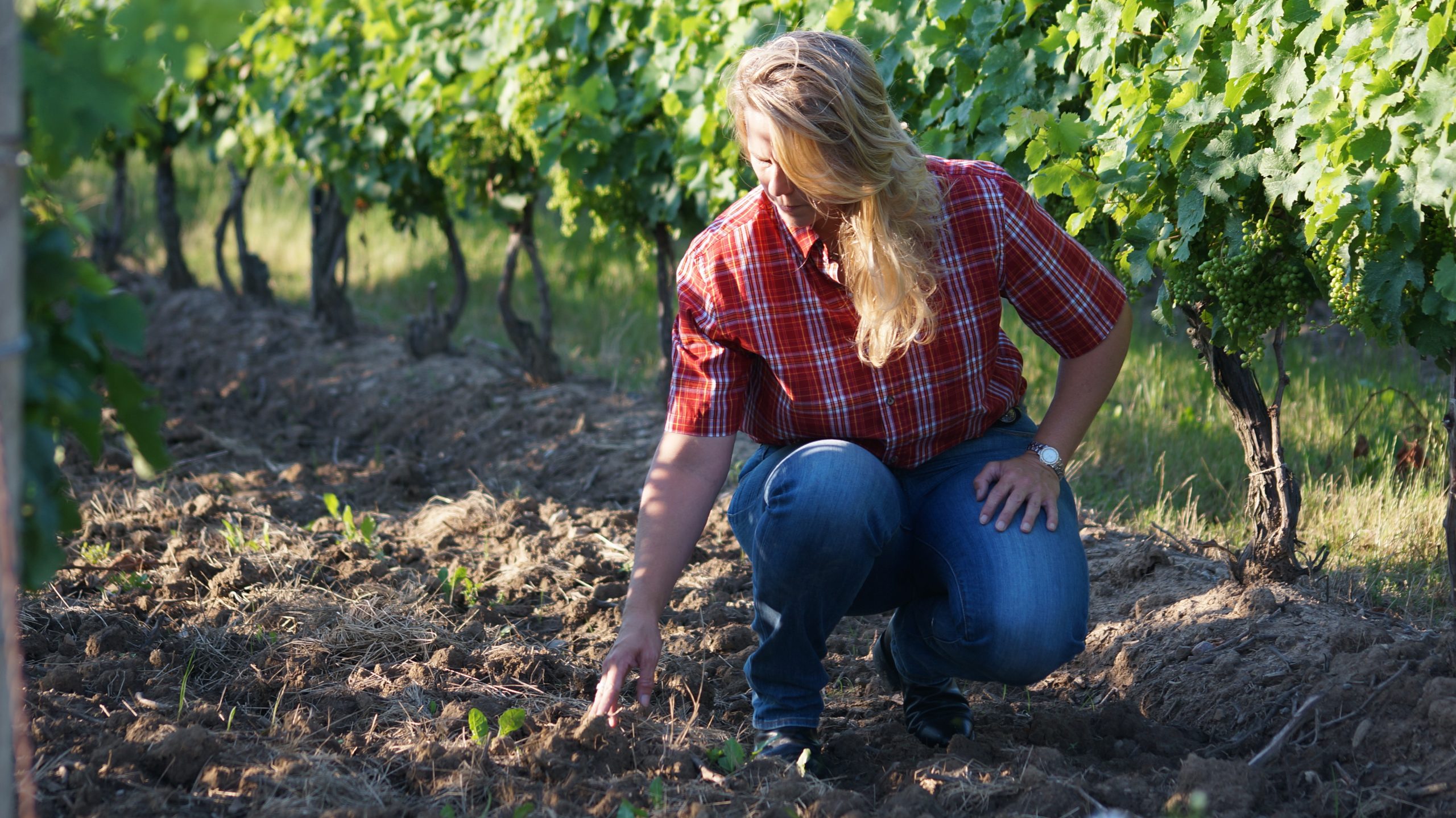 For wineries, this presents an opportunity to innovate. At Sue-Ann Staff Estate Winery, they source all of their grapes locally, with the fruit travelling no more than 500 metres from vineyard to winery. The close connection supports the winery’s ability to produce wines carrying the VQA designation and create a wider marketing stream as consumers become more deliberate about supporting local.
Their focus on sourcing locally, also draws in interest in Canadian made products. Staff says consumer purchasing habits changed during the COVID-19 pandemic, as Canadians became more interested in supporting local businesses and products. As American products became less available on shelves, she saw renewed interest in Canadian alternatives, with some Canadian wineries experiencing purchase increases of as much as 600 percent.
Growing the Future of Ontario Wine
The connection between consumers and local producers creates opportunities for Ontario’s wine industry. That philosophy is perhaps best captured by the Fancy Farm Girl brand itself, as it’s reflection of Staff’s life as both a farmer and a winemaker, where boots and gala dresses can be mixed and blended together.
As the next generation continues to shape the beverage market, Ontario wineries have an opportunity to offer more choice without compromising quality while continuing to celebrate the quality and work behind every bottle. For Staff, the future of wine isn’t about replacing traditional wines but rather expanding options while continuing to honour craftmanship, local agriculture and the people behind every bottle giving consumers more ways to enjoy it.
Sources:
https://www.theiwsr.com/insight/more-than-moderation-the-long-term-rise-of-no-and-low/
https://www.theiwsr.com/insight/no-and-low-alcohol-wine-surfs-moderation-trend/