
Buying local food can make a lasting impact beyond what ends up on a plate – supporting businesses, farmers and the local economy. For municipalities, organizations and institutions, the purchasing decisions they make can help support Ontario farmers and food businesses and strengthen the communities around them at the same time. But knowing where to start and source some of these products can be one of the biggest barriers.
That is the focus of a new Local Food Tool Kit being developed to help families, organizations, and other decision makers find ways to incorporate more local food into their purchasing.
“Buying local food is about more than where our food comes from. It is about supporting Ontario farmers, processors and communities, and strengthening the food system we all depend on,” said Dr. Sara Epp, Associate Professor of Rural Planning and Development at the University of Guelph.
The tool kit brings together information and resources that can help organizations understand local food procurement and identify opportunities within their own purchasing practices.
Making Local Food More Accessible
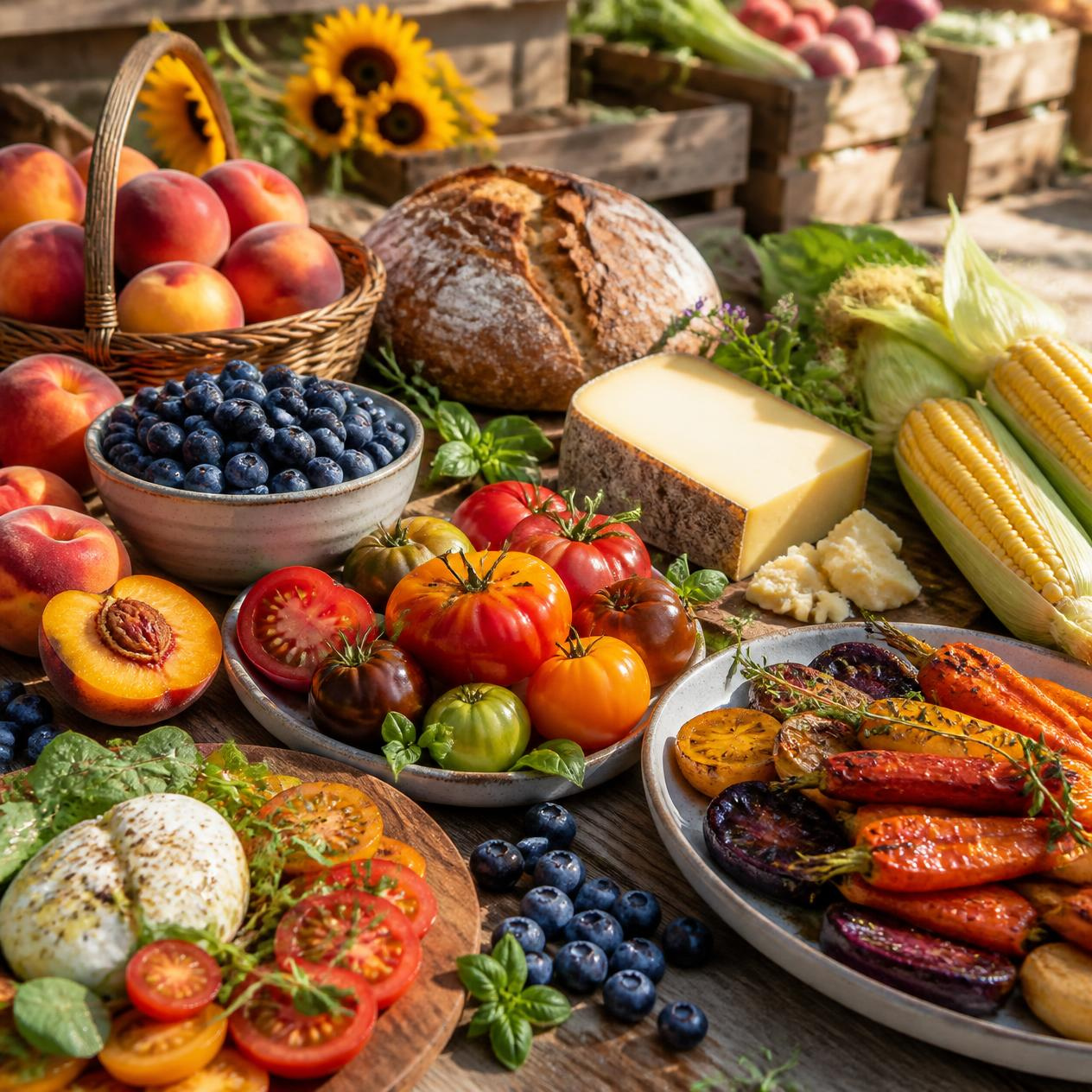 “The goal of the tool kit is to make local food procurement more accessible—to provide organizations with practical information they can use to move from interest to implementation,” Epp said.
Increasing local food purchases does not necessarily mean overhauling an organization’s entire procurement system. In fact, one of the messages behind the tool kit is that small changes can be a practical starting point.
“You don’t need to change everything at once to make a difference. Increasing local food purchasing can start with one product, one supplier conversation or one purchasing decision,” Epp said.
For an organization, that could mean looking at a single product category, talking with an existing supplier about Ontario options or identifying one opportunity to increase the amount of locally produced food being purchased.
What the Research Shows
Research led by Epp has explored local food purchasing in Ontario’s long term care sector. A project involving 14 publicly funded long term care homes found that setting a local food purchasing priority created opportunities to increase local food purchases without increasing overall food budgets. That research points to an important lesson: local food procurement does not have to be an all or nothing decision.
“Our research has shown that increasing local food purchasing can be achievable and practical. The challenge is often not a lack of interest, but knowing where to start,” Epp said.
A Practical Guide to Buying Local
The Guide to Celebrating Local Food provides one place to start.
The guide is intended to help organizations move from wanting to support local food to identifying actions they can take. By identifying potential local products and suppliers, and setting areas for growth from current purchasing decisions, organizations can begin building local food into their regular procurement practices. The same principles and process can be applied with our own personal grocery purchases. This can make local food easier to approach as part of everyday decision making. It also highlights the broader economic impact of purchasing decisions.
“Supporting local food is an economic development strategy. Every opportunity to purchase Ontario-grown, raised or processed food helps strengthen businesses and communities across the province,” Epp said.
One Decision Can Make an Impact
Agriculture Week offers an opportunity to celebrate Ontario agriculture, but it can also be a chance for organizations to look at how their purchasing decisions can support the food system.
The Local Food Tool Kit is intended to help make that next step easier. By looking at what they already purchase, identifying opportunities and starting with manageable changes, organizations can gradually increase their local food procurement.
As Epp puts it, “You don’t need to change everything at once to make a difference.”
Sometimes supporting local food starts with one decision.
Click to accèss the Local Food Tool Kit https://foodandfarming.ca/current-projects/local-food-tool-kit/