
For Ontario’s agricultural communities, the housing challenge is about more than finding a place to live. It is increasingly connected to the ability of farms and agri-food businesses to attract workers, invest and grow, while protecting the farmland that makes that growth possible. Agriculture and agri-food contribute nearly $50 billion to Ontario’s GDP annually and employ 10% of the province’s workforce, making the relationship between housing and agriculture an important part of Ontario’s future. (1)

A recent report by Wayne Caldwell, Denise Van Amersfoort, Regan Zink and Shanley Weston examines this relationship through case studies in Niagara, Durham and Huron. The research identifies rising land costs, urban development pressures and insufficient flexible housing options as growing challenges for farm families, agricultural workers and employees of agri-food businesses. (1)
Housing and Agriculture: A Balancing Act
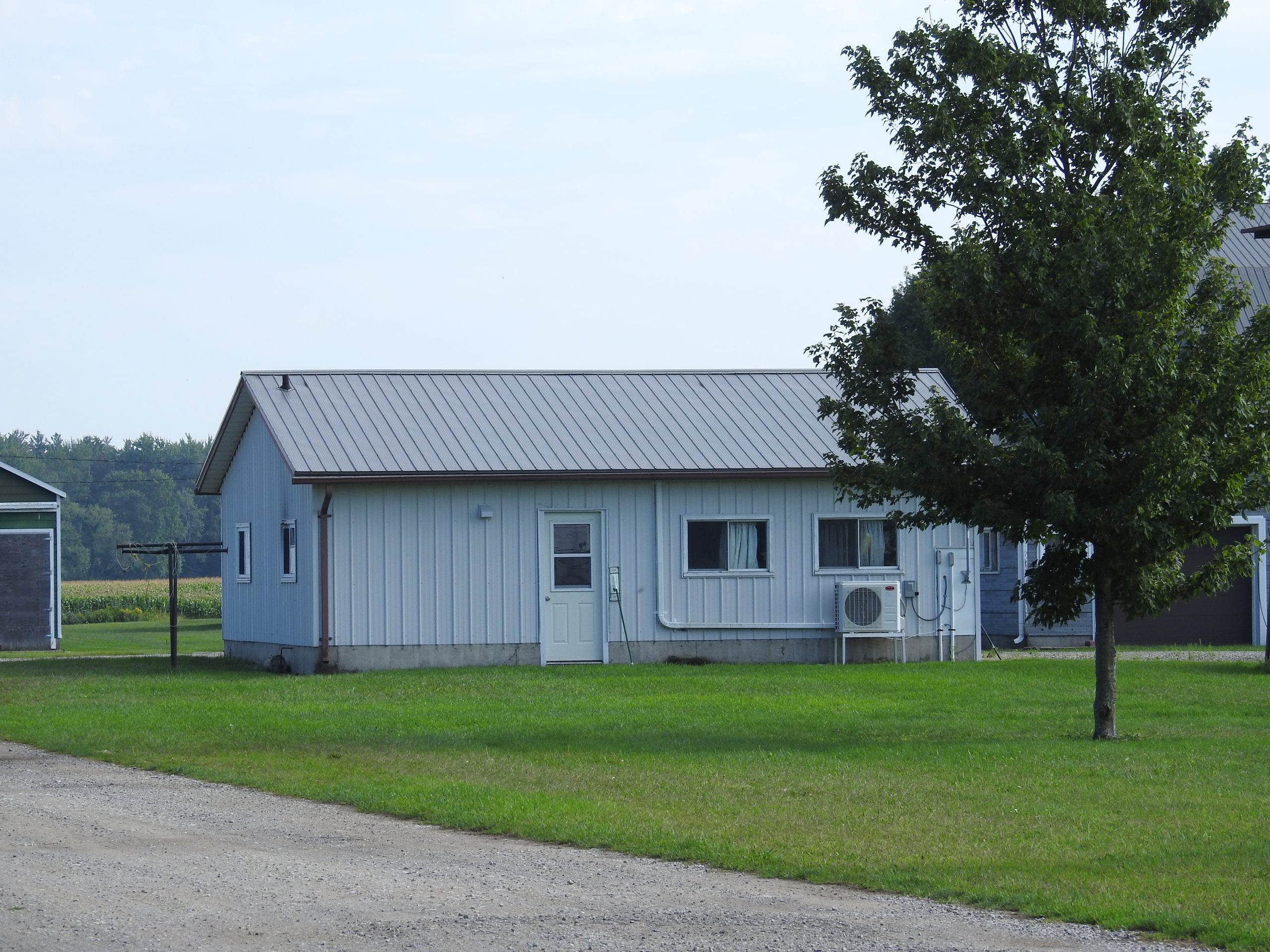 The report makes an important distinction: addressing rural housing needs does not mean simply building more homes across the countryside. Scattered rural development can increase servicing demands, contribute to farmland loss and fragmentation, restrict agricultural operations and place additional pressure on rural infrastructure. (1) Instead, the researchers emphasize housing solutions that support agricultural communities while protecting productive farmland. For farm labourers Additional Residential Units (ARUs) are one opportunity. Additional Residential Units (ARUs) are extra self-contained homes on the same property as an existing residence, providing additional housing without requiring a new residential lot. The report recommends continuing current ARU policies for on-farm housing while expanding eligibility to include essential agricultural businesses, such as veterinary clinics, processing plants, and equipment dealerships. (2)
The need is particularly evident in areas with 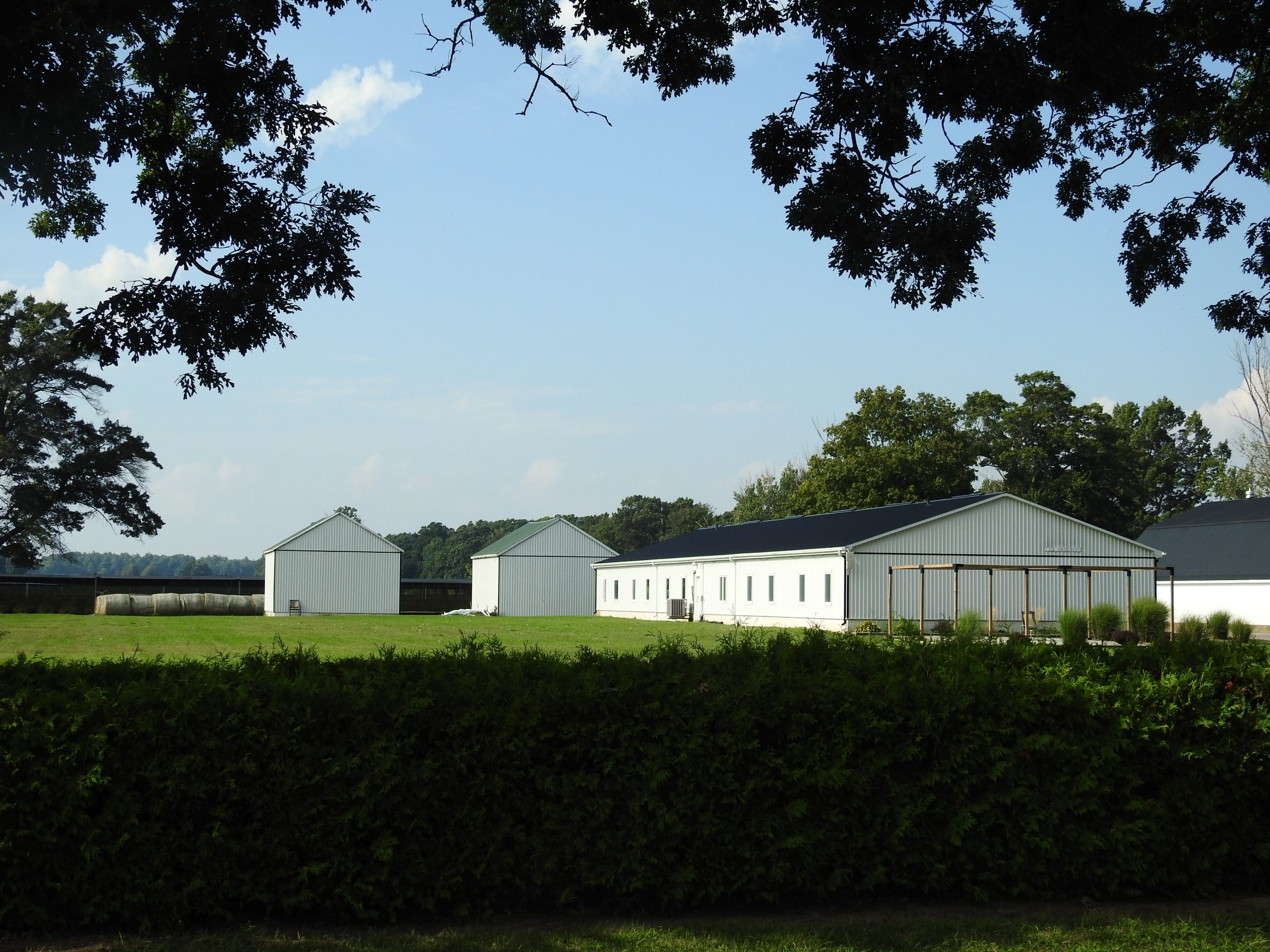 significant labour requirements. In Niagara, around 30% of farms employ workers in labour-intensive sectors such as fruit, vegetable and floriculture production. The report notes that without a reliable workforce, farms with significant labour needs may be less likely to invest and expand. Existing policies provide options such as bunkhouses and mobile structures, but the researchers identify a need for clearer provincial guidance around the scale and form of on-farm housing. (3)
“While provincial policy has advanced considerably, offering expanded avenues for Additional Residential Units and agricultural worker housing, even for larger seasonal cohorts, the primary hurdle remains implementation. The report suggests that municipalities must now align their official plans and zoning bylaws with these provincial frameworks, ensuring that approval processes are streamlined to facilitate these critical housing solutions.”
Wayne Caldwell (former Professor of School of Environmental Design and Rural Development, University of Guelph)
Beyond housing: Planning for Rural Communities
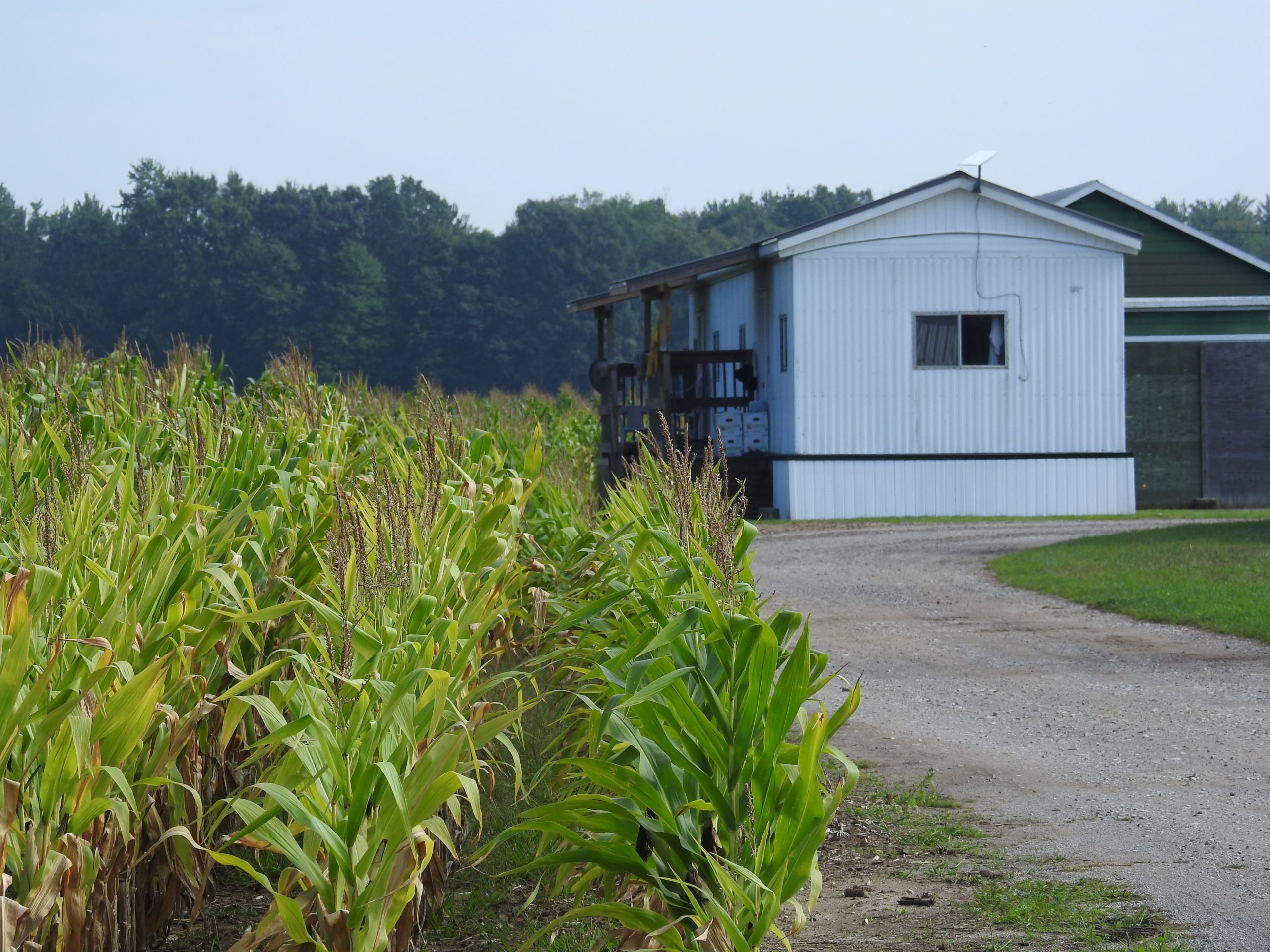 Housing cannot be considered separately from infrastructure. Rural communities must have the capacity to provide services such as water, wastewater treatment and fire protection. The report recommends comprehensive rural infrastructure strategies that identify appropriate areas for agricultural housing and establish clear servicing guidelines, while discouraging general residential development outside settlement areas. (4) The researchers also call for municipalities to integrate agricultural housing needs into both agricultural and housing strategies. This would ensure that the needs of farm families, farm workers and agri-food employees are considered when communities plan for future growth. (5)
“The research suggests that local governments prioritize streamlined, as-of-right pathways for residential options like ARUs, bypassing protracted case-by-case approval cycles. Such efficiency is vital given the profound diversity of the agricultural landscape; sectors like horticulture and intensive livestock farming face unique, concentrated labour demands that necessitate robust and responsive housing strategies.”
Wayne Caldwell (former Professor of School of Environmental Design and Rural Development, University of Guelph)
Ultimately, the report points toward a model of growth that builds more housing without unnecessary outward expansion. Repurposing existing buildings, gentle intensification and directing growth toward existing towns and villages can create additional housing opportunities while reducing pressure on agricultural land. The researchers describe this approach as part of creating “complete communities” where housing, employment, local food systems and essential services are connected. (6)
A Practical Path Forward
The message is straightforward: Ontario does not have to choose between housing and agriculture. By planning housing around the needs of the agricultural sector, investing in appropriate infrastructure and directing growth toward existing communities, Ontario can support the people behind its food system while protecting the farmland that sustains it.
Sources
(1) Caldwell, Wayne, Denise Van Amersfoort, Regan Zink, and Shanley Weston. Housing Needs and Actions for the Agricultural Sector in Rural Greenbelt Communities. Greenbelt Foundation, 2025, pp. 11–12.
(2) Caldwell et al., Housing Needs and Actions, pp. 15–16.
(3) Caldwell et al., Housing Needs and Actions, p. 15.
(4) Caldwell et al., Housing Needs and Actions, pp. 112–113.
(5) Caldwell et al., Housing Needs and Actions, pp. 110–111.
(6) Caldwell et al., Housing Needs and Actions, pp. 114–115.