
Looking Beyond “Good” and “Bad” Plastic
When it comes to sustainable packaging, the Canadian Produce Marketing Association (CPMA) looks at many factors when considering packaging options—including protecting quality and food safety, reducing food loss, supporting efficient transportation and considering what happens to the package at the end of its life.
CPMA began this journey in 2019 with a conversation about “good plastic” and “bad plastic.” That discussion has evolved into a much broader examination of the role packaging plays in getting fresh produce from the farm to the consumer—and how those functions should be considered when making sustainability decisions. CPMA is working to help the produce industry, policymakers and regulators understand the full role packaging plays in getting fresh food from the farm to the consumer.
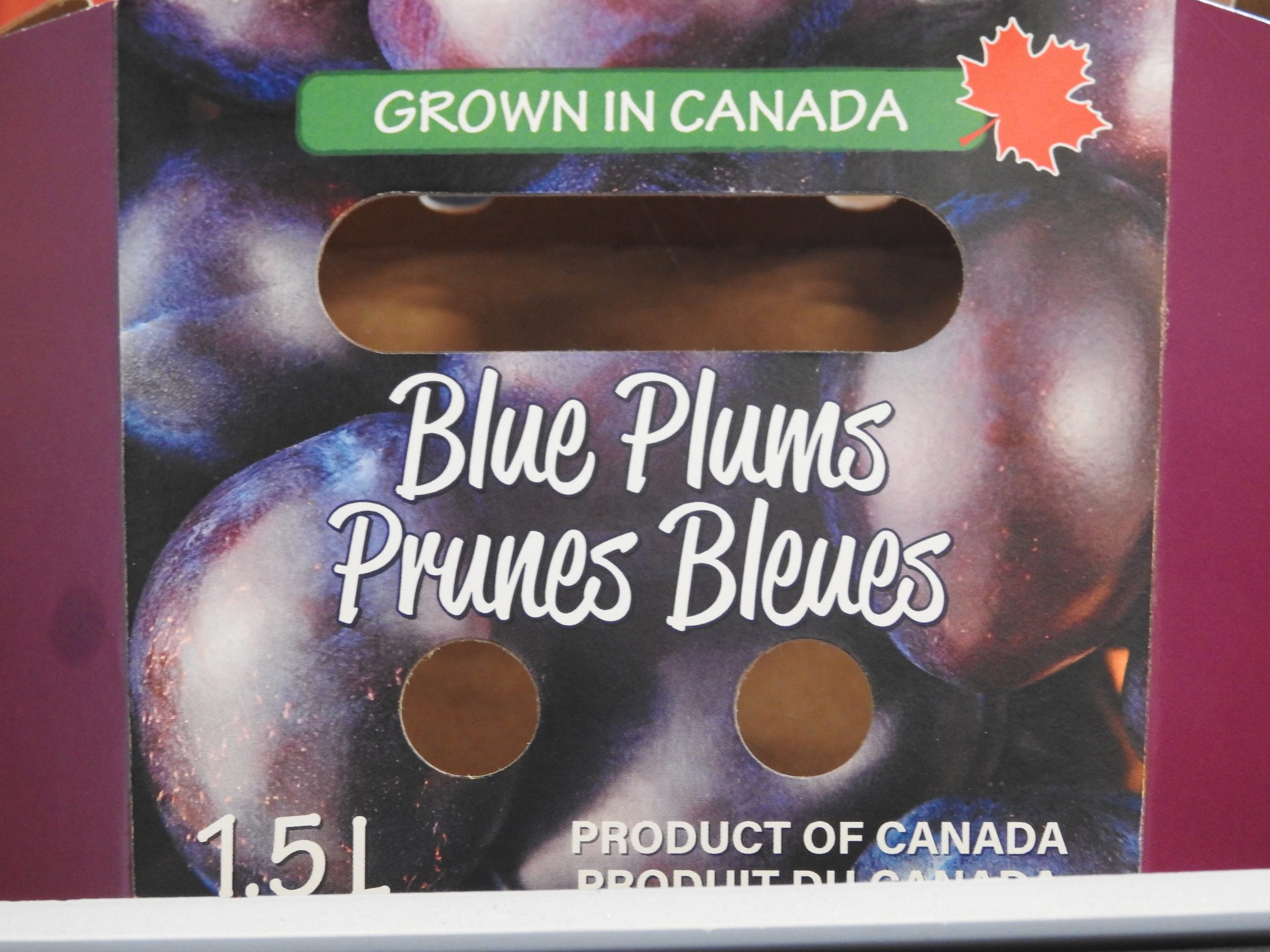
“In 2019, the core question we were answering was, what’s a good plastic and a bad plastic?” said Daniel Duguay, Senior Director of Sustainability at CPMA. Today, the question has become why packaging is important to the produce industry, particularly as the federal government considered regulations that could have significantly restricted plastic packaging for produce. Fresh produce can’t all be packaged in the same way. Some commodities can be transported in bulk, while others require packaging to protect them during transportation and maintain their quality.
Packaging can support efficient transportation, reduce food loss and waste, extend shelf life and, in some cases, contribute to food safety. Changing a package can have many effects on a product and its quality. This led CPMA, along with Western Growers, to develop the Sustainable Produce Packaging Alignment project. The guide looks at what makes produce packaging functional and how sustainability can be maximized. “When we say sustainable, I would say that we are challenging the definition of sustainable to go beyond, is it recyclable?” Duguay said.
A package that reduces packaging waste but causes more food loss and waste—or reduces shipping efficiency—may not necessarily be the most sustainable option. That reasoning is particularly important for fresh produce because of its perishability. “Produce, which is highly perishable, some people like to say, it’s basically a living thing,” Duguay said. He explained that for many types of produce, including berries, packaging can play an important role in preventing spoilage. “It’s dehydrating, it’s losing water unless you treat it and package it properly,” Duguay said when discussing the importance of berry packaging.
One of the challenges CPMA identified through its work is the wide variety of packaging used throughout the produce industry. The alignment guide maps commodities according to their perishability and the packaging they require.
What Works for One Crop May Not Work for Another
There are significant differences in packaging requirements for different types of produce, which means sustainability cannot be measured by comparing materials alone. For instance, what works for berries doesn’t necessarily work for apples. What works for apples doesn’t necessarily work for grapes. Duguay gave the example of a potential switch from a PET produce container to a fibre alternative. A 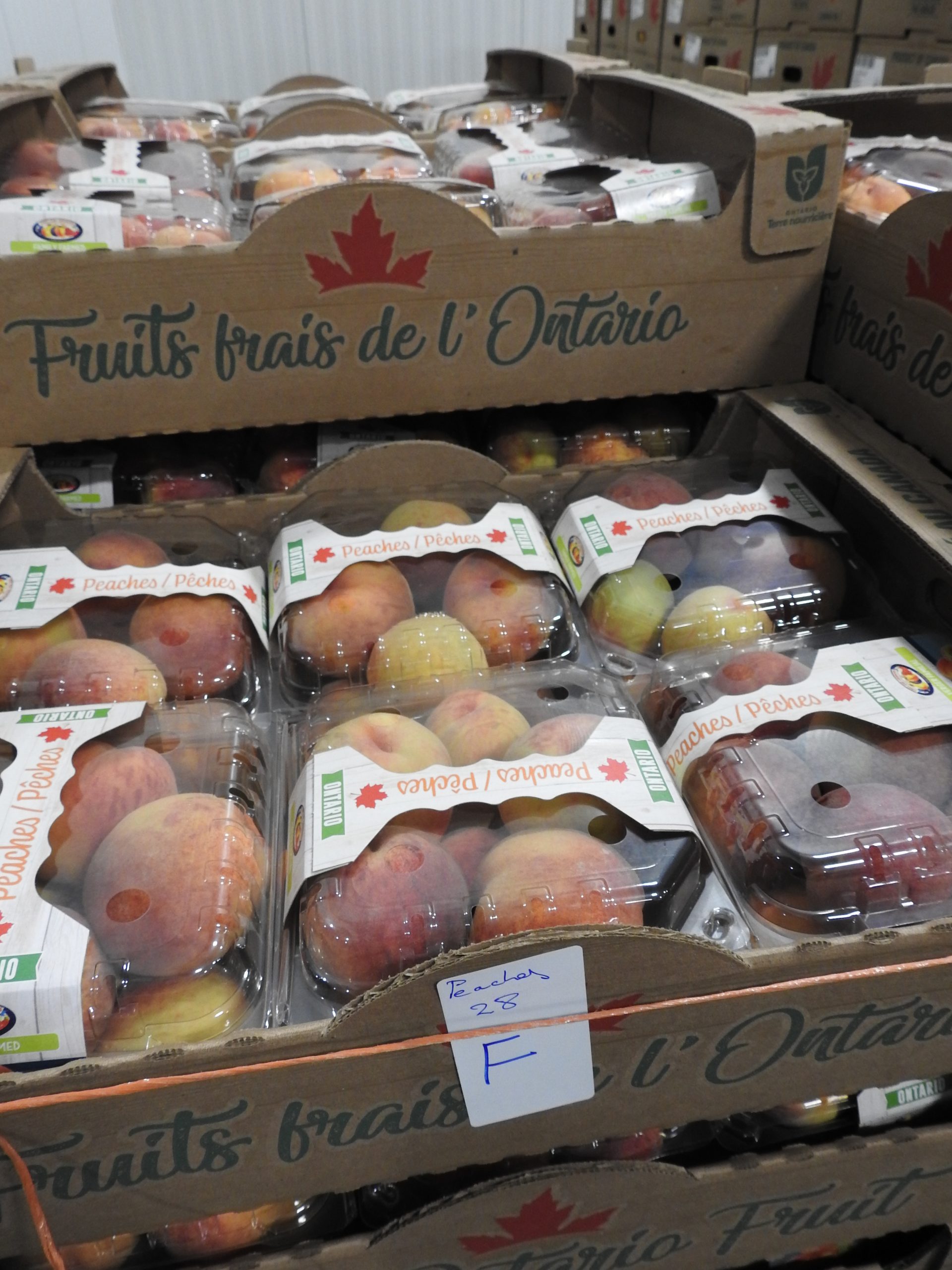 is a clear, lightweight, and rigid plastic package made from polyethylene terephthalate used to display, protect, and store fresh fruits and vegetables. At first glance, moving away from plastic might appear to be an obvious sustainability improvement. But when the two options were compared more closely, other factors emerged.
The fibre containers could not be packed as densely, meaning more trucks could be needed to transport the same amount of product. They also required more storage space because the containers could not be stacked as efficiently. Additionally, the existing PET package was already recyclable.
This is why CPMA believes packaging decisions need to consider the entire supply chain. A package that uses less material or appears more environmentally friendly at the end of its life could create additional impacts through transportation, storage or food waste. For CPMA, the goal isn’t simply to replace plastic. It is to understand which package performs best across the different functions required by the supply chain.
From Zero Plastic to Zero Plastic Waste
That approach has also changed the way CPMA looks at plastics. Duguay described an important distinction between a zero-plastic strategy and a zero-plastic-waste strategy. A zero-plastic strategy focuses on eliminating plastic, regardless of whether a particular plastic package is recyclable or performs an important function. A zero-plastic-waste strategy, by contrast, looks at how plastic packaging can be designed, managed and recycled more effectively. He gave the example of the small absorbent pad often found underneath berries. The pad, known as a purge management pad, helps manage the liquid released by certain commodities.

One CPMA member has been working on redesigning the package to eliminate the pad and use a package made entirely from PET. The redesigned package maintains the function of managing moisture while making the package more straightforward to recycle. The company has also been examining what the redesigned package means for shelf life, particularly for fresh-cut products. “This is sustainable packaging,” Duguay said. “It’s a redesign of the packaging to achieve the same function.”
Packaging and Food Waste: An Increasingly Connected Conversation
The connection between packaging and food loss and waste is becoming increasingly important to CPMA. Duguay manages both the food loss, waste and packaging files at CPMA and said the two conversations, which were once largely separate, are increasingly overlapping. New packaging technologies are helping to drive that connection. Some technologies are being developed to control the atmosphere inside a package and slow deterioration, potentially helping products maintain quality for longer. Others are looking at ways to monitor conditions throughout the supply chain.
The goal is to protect the quality of the product from the time it leaves the field or greenhouse until it reaches the consumer. For example, a package that can help maintain product quality during a four-day truck journey could mean the produce arrives closer to the quality it had when it was harvested. “If it sits in a truck for four days to get to where it needs to go, there’s a difference between a package that protects it but lets the quality start to decline and a package that maintains that quality much closer to what it was when it was picked,” Duguay said.
The Rise of “Smart Packaging”
 Some of the technologies CPMA is watching fall under what Duguay described as “smart packaging.” These technologies can involve more sophisticated atmospheric controls as well as sensors that monitor temperature, humidity and even certain gas compositions during transportation. This could allow businesses to make decisions while a shipment is still moving through the supply chain. For example, if sensors identify a temporary break in the cold chain that does not completely compromise a shipment but creates a risk to product quality, the information could allow a business to reroute the shipment or change how it is handled. Instead of discovering a problem when a shipment arrives, businesses could potentially respond to it in real time.
CPMA is already seeing these technologies being explored and validated in the produce industry. The organization is also exploring potential research partnerships with the National Research Council of Canada’s polymer research facility in Winnipeg and the University of British Columbia.
A Changing Policy Landscape
While packaging technology is changing, so is the policy environment surrounding packaging waste. Extended Producer Responsibility (EPR) programs are being implemented across Canadian provinces and shift more of the financial responsibility for managing packaging waste toward producers. For the produce industry, Duguay said one of the challenges is that EPR systems are not consistent from province to province. Businesses shipping products across multiple provinces may therefore have to navigate different programs and fee structures.
CPMA is also concerned about how well current fee structures reflect the environmental performance of different packaging options. The policy intention behind EPR is to create an incentive for producers to choose packaging that is more recyclable or better suited to a circular economy. But, according to Duguay, current systems do not always account for other consequences of changing a package. “If the intent of EPR is to put a cost on packaging so that the grower or producer says, ‘Oh, it’s costing me X dollars. I wonder if there’s a cheaper alternative,’ then that EPR policy is only concerned with packaging waste as the outcome,” Duguay said. The produce industry must consider more than packaging waste.
Looking at the Total Cost of Ownership
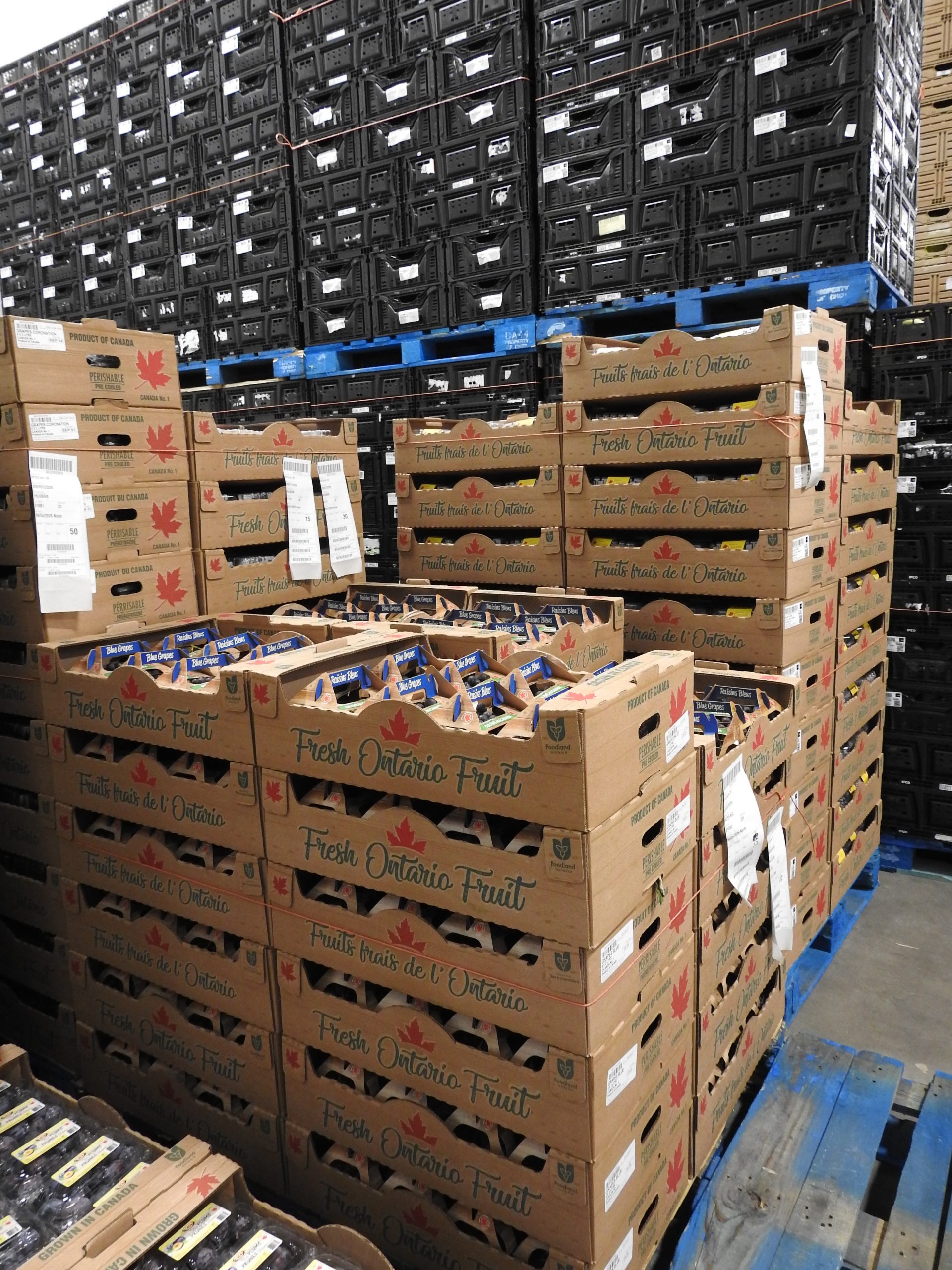 CPMA’s next step is to help members think about the total cost of ownership of a packaging decision. That means looking beyond the initial price of the package or its EPR fee and considering what happens from the moment produce is packed through transportation, storage, retail and eventually to the consumer. A new package might reduce an EPR fee, for example, but if it requires more trucks, more storage space or results in a shorter shelf life, those impacts also have a cost. The same is true in the other direction.
A packaging technology that costs more initially could potentially create savings or environmental benefits elsewhere by extending shelf life, reducing food loss or improving transportation efficiency. “Today the question is, what solution minimizes my total cost of ownership?” Duguay said. That represents a significant shift from the conversation CPMA was having in 2019.
Finding the Right Solution for the Supply Chain
The long-term goal is to help the produce industry make packaging decisions that balance these different considerations. A sustainable package, in this view, is one that protects product quality and shelf life, uses transportation and storage efficiently, minimizes food loss and waste, and addresses packaging waste at the end of its life. As Duguay put it, the ideal package would maximize packing and shipping efficiency, maintain the quality of the product through the supply chain and provide a positive consumer experience, while also being recyclable and supported by an effective waste collection system. That is a much bigger question than whether a package is plastic or fibre—or whether it can go in the recycling bin. For Canada’s fresh produce industry, the future of sustainable packaging is about finding the right solution for the supply chain.