
To help strengthen local food supply chains across the region, the Golden Horseshoe Food and Farming Alliance’s (GHFFA) Local Food Toolkit is a valuable resource for building connections, celebrating our food system and taking action.
Ontario’s agri-food sector is an important part of the provincial economy. Supporting local food production and consumption creates opportunities for economic developers and planners to strengthen our economy, and support local businesses.
A Practical Toolkit for Economic Development
The GHFFA, in partnership with the University of Guelph’s Ontario Agricultural College and the Ontario Agri-Food Innovation Alliance, developed an online Local Food Toolkit to help individuals, communities and businesses take advantage of these opportunities. The result is a practical, easy-to-use resource designed to help turn ideas into action.
The toolkit brings together policy information, practical guidance, industry connections and educational resources to help municipalities, public institutions, businesses and community organizations support Ontario’s local food system.
Local food initiatives can contribute to economic development by creating opportunities for farmers, food processors, retailers and other agri-food businesses. Encouraging individuals and organizations to purchase Ontario products helps keep food dollars circulating within communities while supporting local jobs and businesses.
The toolkit introduces users to provincial initiatives, including the Local Food Act, 2013, the Grow Ontario Strategy and the Buy Ontario Act, 2025. Together, these initiatives provide context for supporting Ontario’s agri-food sector, strengthening supply chains, encouraging innovation and expanding market opportunities.
Turning Procurement into Economic Opportunity
For economic developers, these resources can help identify opportunities to support local businesses, attract investment in food processing and strengthen connections between producers and regional markets. Municipal planners can also use the information to better understand the role of agriculture and food businesses in community development and long-term economic planning. These connections can help communities move from planning to practical action.
One of the toolkit’s key resources is its five-step guide to increasing local food procurement. Public institutions, municipal facilities, schools, hospitals and other organizations can use the guide to review their purchasing practices and identify opportunities to incorporate more Ontario products.
The process begins by assessing current purchasing practices, setting local food goals and identifying potential suppliers. Organizations can then review procurement policies and contracts before measuring and reporting their progress.
For municipalities and economic development offices, the toolkit can serve as a starting point for developing local purchasing initiatives and building relationships with farmers, processors and distributors. Stronger connections between local suppliers and institutional buyers can help create more consistent markets for Ontario food businesses while increasing access to local products. By connecting buyers, suppliers and community partners, municipalities can help build stronger local food markets.
Connecting Businesses, Innovation and Markets
Economic developers and entrepreneurs can also explore partnerships with organizations such as the University of Guelph Food Innovation Centre, Conestoga Food Research and Innovation Lab, and Niagara College Food and Beverage Innovation Centre. These organizations offer opportunities to explore product development, food processing and innovation.
Building a strong local food economy requires collaboration among producers, businesses, institutions, researchers and communities. The toolkit’s Ontario Agri-Food Directory helps users connect with organizations across the province, including producer associations, commodity groups, educational institutions, innovation centres and government agencies.
For planners and economic developers, the directory can be a useful starting point when identifying potential partners, accessing industry expertise or developing initiatives that connect local producers with consumers.
 Ontario Agriculture Week taking place October 5 – 11, is also an opportunity to bring communities together to celebrate the people and businesses behind Ontario’s food system.
The toolkit’s local food celebration resources outline six key considerations for event planning: why the event is being held, who should be involved, what activities will be offered, when and where it will take place, and how logistics and promotion will be managed.
Celebrating Local Food and Building Community Connections
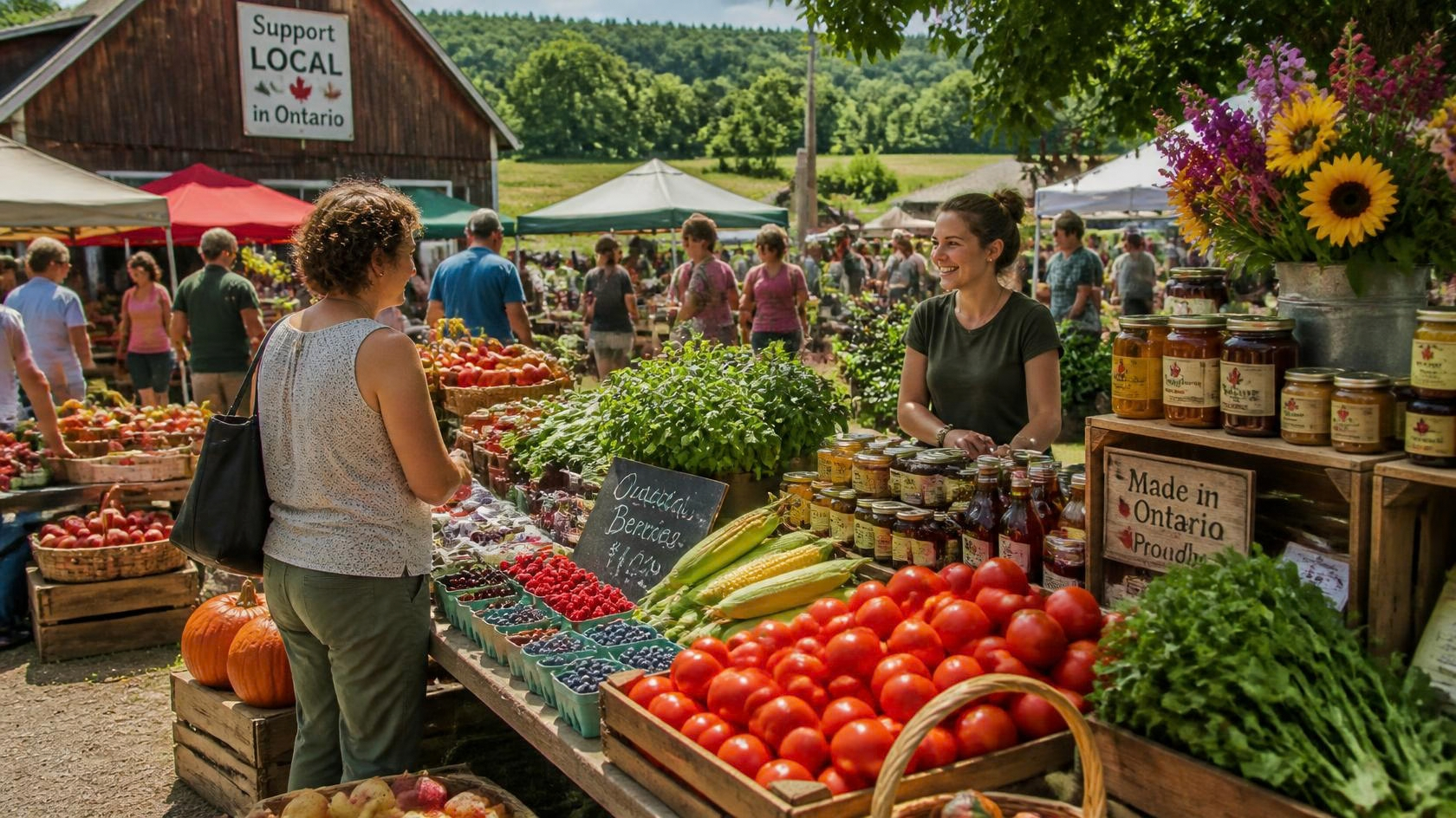
Ideas include market partnerships, Ontario Agriculture Week, Local Food Week celebrations (June 7 – June 12, 2027), agricultural awareness days, school programs and community food festivals. These events can build relationships between producers and consumers, and encourage consumers to buy produce locally.
This Ontario Agriculture Week, economic developers and planners are encouraged to explore the GHFFA’s Local Food Toolkit, share its resources and identify opportunities to support local producers. Explore the toolkit, share its resources and consider how your community can help strengthen Ontario’s local food economy.
Explore the Local Food Toolkit:
https://foodandfarming.ca/current-projects/local-food-tool-kit/