
In Flemingdon Park, a Toronto neighbourhood filled with apartment buildings and condominiums, finding space to grow food can be a challenge. At Flemo Farm, residents are transforming half an acre of green space into an opportunity to grow fresh produce.
Tara Ramkhelawan, Flemo Farm Coordinator with FoodShare Toronto, describes the farm as a place where residents can access land, share their agricultural knowledge and connect with their community. “There is a ton of agricultural knowledge in the area,” Ramkhelawan explains. “There are many people in the neighbourhood who would want to get their hands on the ground and have a space to grow produce.”
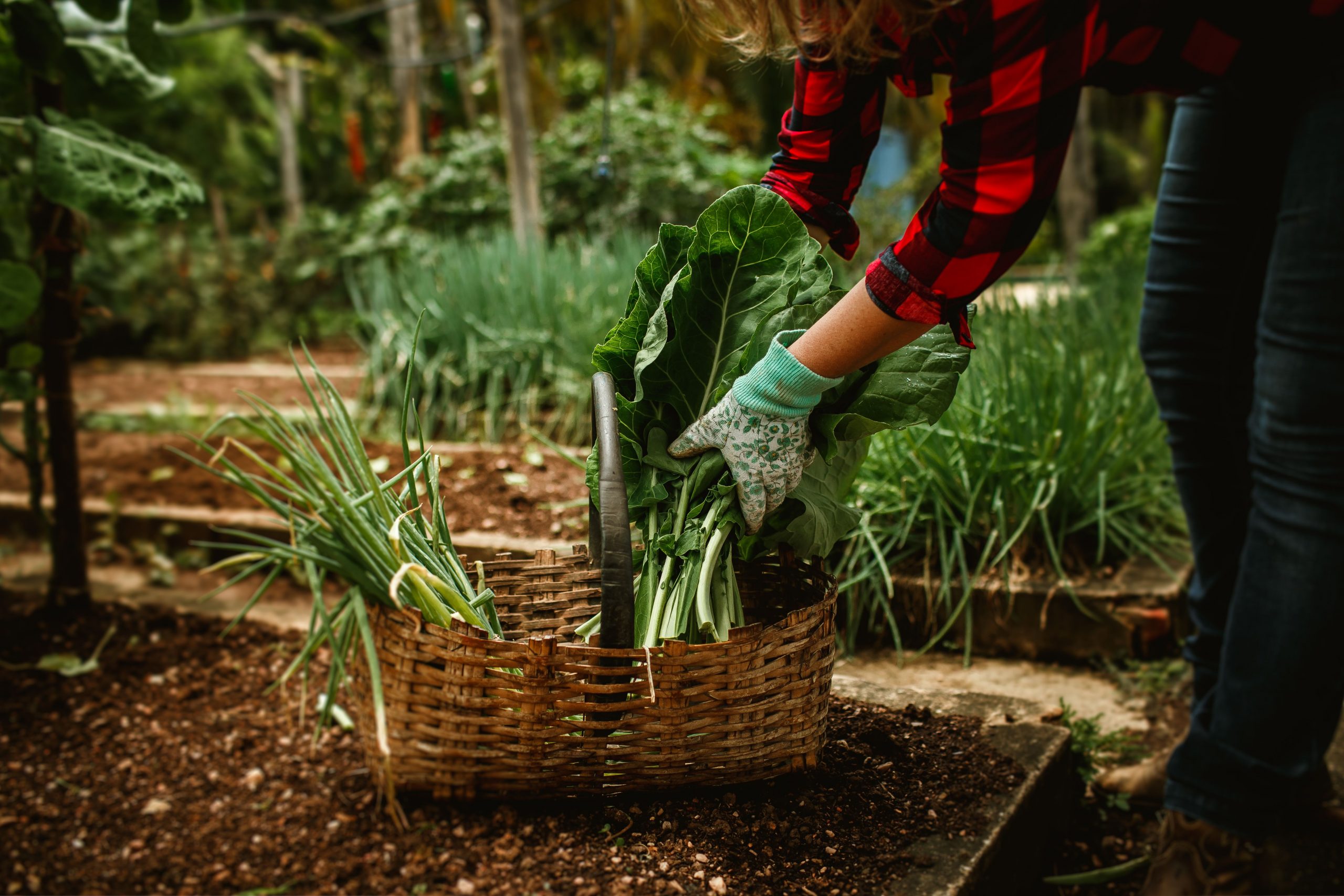
Through its community farmer program, Flemo Farm provided land free of charge to 11 farmers or farmer groups this year. Many work alongside family members, friends and neighbours, growing produce to sell at the farm’s seasonal farmers’ market.
Growing a Taste of Home
The diversity of the neighbourhood is reflected in the farmers and the crops they grow. Farmers bring knowledge and traditions from places including Bangladesh, Sri Lanka, the Philippines and the Caribbean, growing foods that may be difficult to find in a typical grocery store.
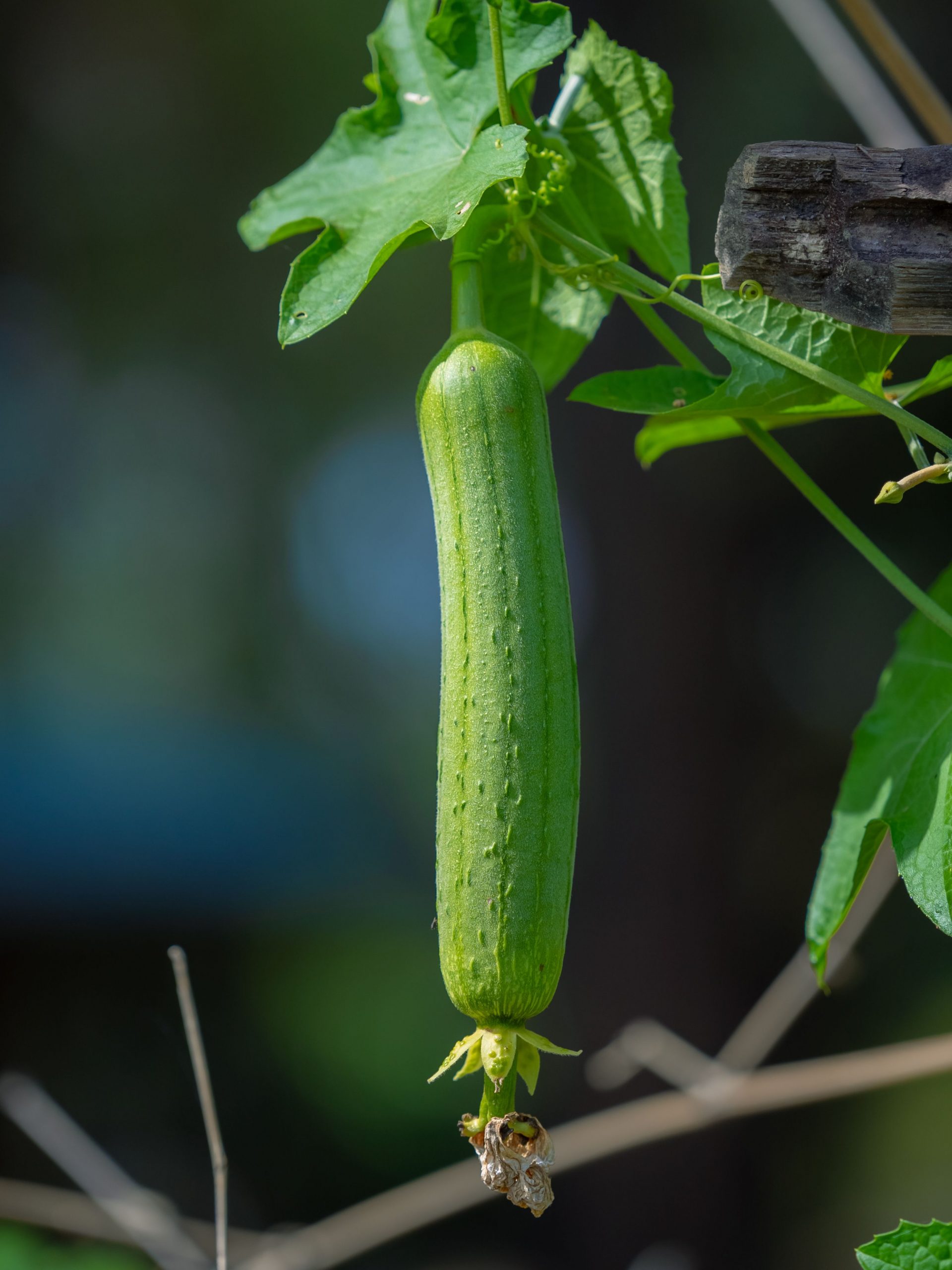 For Ramkhelawan, working at the farm has introduced her to crops she might not otherwise have encountered. She learned that loofah, often recognized as the plant used to make natural bath scrubbers, is also eaten as a squash. Squash leaves can be cooked as greens, sweet potato leaves are harvested and sold as food, and the leaves of the jute plant are valued in some cuisines. Another discovery was hibiscus, sometimes called sorrel, whose sour leaves are eaten in parts of Asia and West Africa. “These are all things that I’ve learned while working at Flemo Farm,” she says.
For some community members, these crops offer a taste of familiar foods that may otherwise be difficult to access. For others, they are an opportunity to discover something new. Farmers are also very community oriented: many share extra seedlings, exchange growing advice and demonstrate harvesting techniques to one another. This year, Ramkhelawan learned how to harvest sweet potato leaves and growing shoots from another farmer. “Every year it’s something different,” she says.
Turning Food Scraps Into Valuable Resources
Flemo Farm’s work extends beyond growing and selling produce. Its community compost exchange program gives residents another way to participate in the local food system. People living in apartment and condominium buildings without organic waste collection can bring their kitchen scraps to the farm, where the material is processed into compost for use on site. In exchange, participants receive vouchers to spend at the farmers’ market.
In 2025, the program distributed more than $4,000 worth of vouchers, helping reduce food waste while improving access to local food. Ramkhelawan hopes to see the program grow. Currently, the farm generally accepts kitchen scraps during the farmers’ market season, from June to October. Working with local resident leaders, the team is exploring ways to extend the program and potentially process compost throughout the winter.
The farm also creates opportunities for younger residents. This year, it supported six youth staff positions, including one full-year position and five summer jobs. Its staff growing plot provides space for volunteers, school groups and community members to take part in activities. Tours, workshops and community events introduce visitors to growing food, composting and other aspects of urban agriculture, helping make farming more accessible to people who may not have space to grow food at home.
Growing Opportunities For the Future
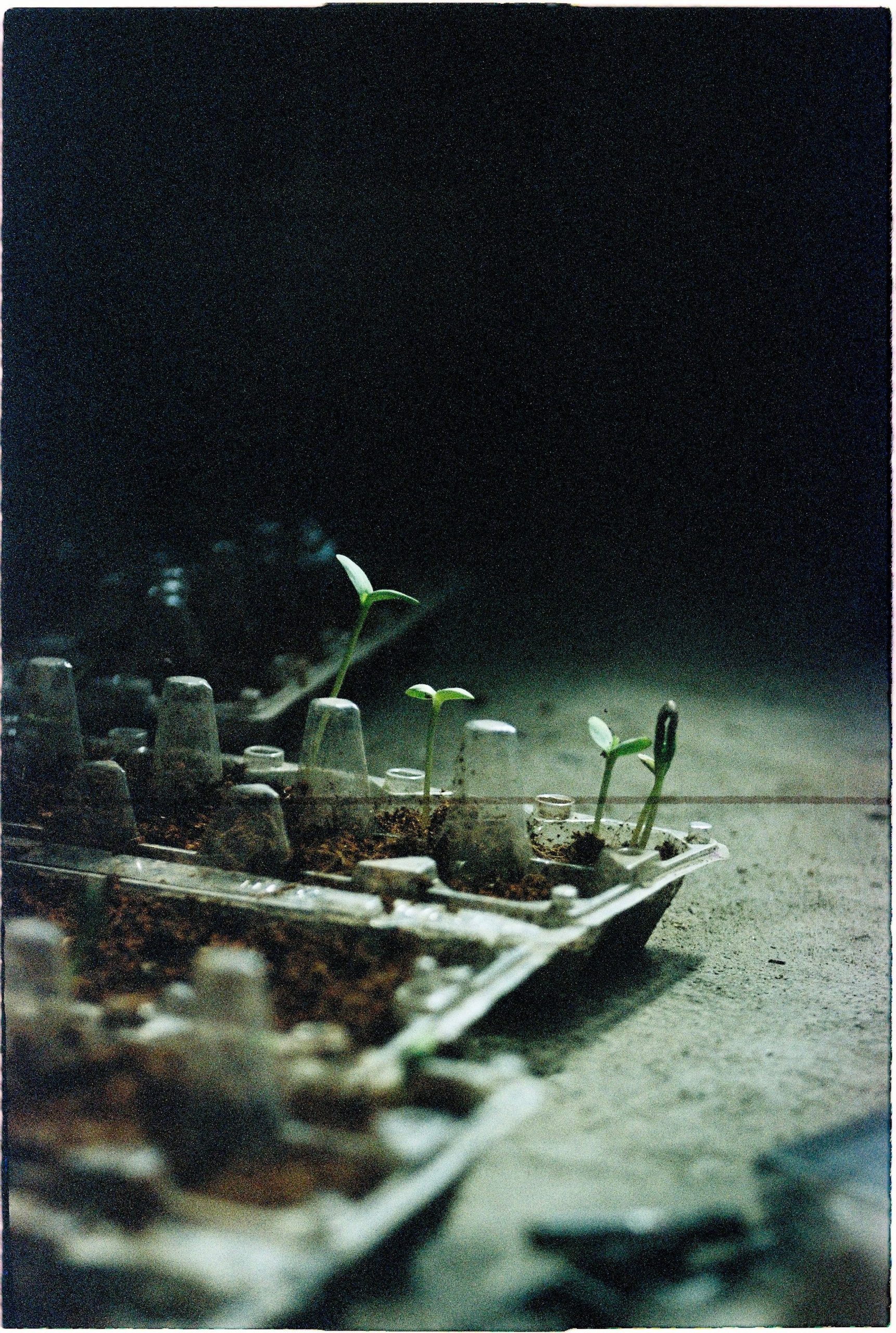 Although the growing season is winding down, planning for next year is already underway. Winter activities are expected to include crop-planning workshops, training on starting seedlings at home and opportunities for community members to learn more about growing their own food. There is also discussion about potentially expanding the farm, which would allow more people to participate in the community farmer program and increase the amount of food grown on site.
For Ramkhelawan, the value of the farm lies in the opportunities it creates to support small farming businesses, share knowledge and help neighbours access fresh, culturally familiar foods. “We can connect with people, teach and educate a little bit about growing and farming, and provide a space where people can get their hands in the ground.”
Flemo Farm demonstrates how urban agriculture can bring people, food and knowledge together to create a more resilient and diverse food system.