
What does local food look like when thousands of years of tradition, creativity and sustainability come together? Across Ontario, Indigenous chefs and food entrepreneurs are helping answer that question. They are bringing Indigenous ingredients, knowledge and foodways to new audiences while strengthening connections among people, producers and the land.
Food as Culture, Family and Connection
For chefs such as Katsi’tsyo Tawnya Brant of the Tekarihoken Turtle clan, food is deeply connected to culture and family. Raised in Six Nations of the Grand River, Brant grew up gardening, fishing and learning from her family. Today, she draws on those experiences to create Haudenosaunee cuisine that celebrates the foods and flavours of her childhood. Her work goes beyond preparing a meal: it helps strengthen food knowledge and creates opportunities for people to reconnect with Indigenous food traditions.
That same spirit of connection is reflected in the work of Chef Destiny Moser and Cedar Spoon Indigenous Catering.  Moser, an Ojibway from the Rainy River Region of Ontario, uses food to reconnect people with Indigenous culture while showcasing the abundance of the Canadian landscape. “As an Indigenous chef, I see food as an opportunity to share stories and build understanding,” she says. For Moser, sourcing local ingredients “is about our relationship with the land, the seasons and the people who feed us.” At Cedar Spoon, this means allowing what is available locally to help guide the menu, supporting growers and producers, and treating ingredients with care to minimize waste. The Cedar Spoon pantry includes wild rice, corn, mushrooms, sage, cedar, sweetgrass, sumac, maple and sunflower—ingredients that demonstrate the creativity possible when regional foods and traditional knowledge come together.
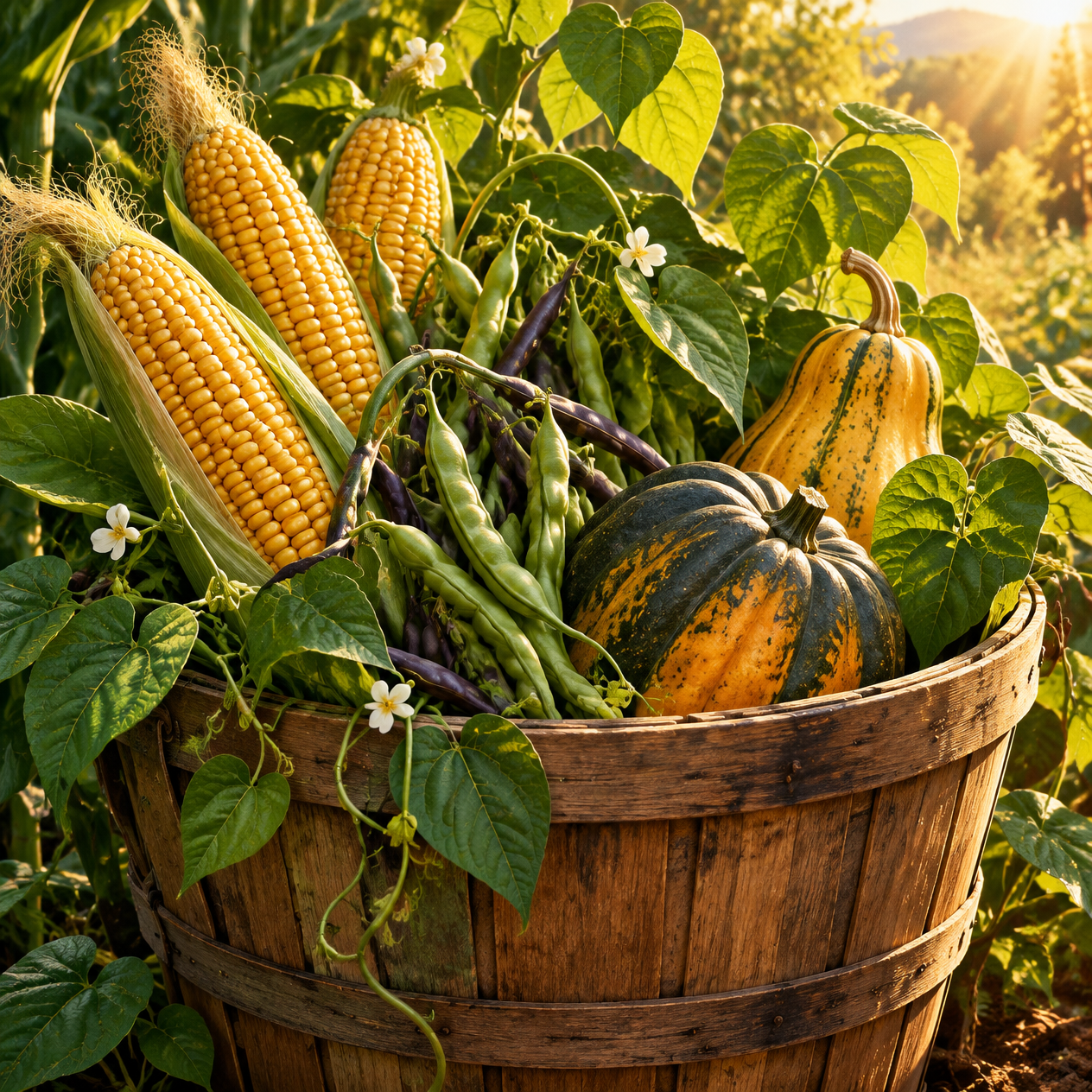 As Moser explains, ingredients like these “can open conversations about where our food comes from, Indigenous food knowledge and our responsibility to the land.” Ultimately, she says, “I want guests to leave with a memorable meal and a deeper connection to the food and community behind it.”
Connecting Indigenous Foodways with Local Producers
 Fish offers another important connection between Indigenous foodways and Ontario’s local food system. Second-generation fish farmer RJ Taylor and his family’s Springhills Fish raise and deliver Ontario fish, including rainbow trout, Arctic char and coho salmon. The company has also developed a partnership with Sheshegwaning First Nation on Manitoulin Island, where rainbow trout are raised using offshore technology.
Partnerships Creating New Opportunities
This partnership brings modern aquaculture together with a community whose relationship with the surrounding waters stretches back generations. It also highlights the many ways Indigenous communities participate in Ontario’s food system—not only by maintaining traditional practices, but also as partners, entrepreneurs, producers and innovators helping shape the future of food.
Taylor has spoken about the importance of making locally produced fish more accessible to Ontario consumers. Springhills Fish delivers directly to homes across the province, helping shorten the distance between producer and plate.
As consumers increasingly seek local, sustainable and meaningful connections to their food, Indigenous chefs and producers offer valuable perspectives. Their work reflects generations of knowledge, relationships with the land and water, and a commitment to sharing food traditions with new audiences. By bringing these perspectives into today’s food system, they are helping inspire a more connected, resilient and vibrant future for Ontario food.