
As more people look for ways to grow their own food, urban gardens are becoming an increasing part of communities and connection. Backyard vegetable beds offer a great opportunity to grow fresh produce.  Joe Salemi of Landscape Ontario sees how landscaping can help bring these ideas to life. Landscape Ontario is a non-profit organization representing more than 2,600 members, including landscape contractors, nurseries and garden centres across the province. The organization represents an industry that spans the entire landscape horticulture chain. According to Salemi, Ontario has nearly 10,000 landscape companies, nurseries and garden centres, with an industry economic impact of more than $6 billion. “People love to enjoy their time outside,” he explained. Landscape Ontario also plays a role in addressing environmental challenges, protecting plant health and supporting more sustainable communities.
Protecting Ontario’s Plants and Agricultural Landscapes

One issue drawing attention from Landscape Ontario is the spotted lanternfly, an invasive insect that can threaten agricultural production. Salemi explained that reports of the spotted lanternfly in southwestern Ontario and Toronto had raised concerns among nurseries and agricultural producers. Although the insect can affect several types of plants, grapevines are a particular concern. “The biggest worry is for the grape industry,” he said, explaining that spotted lanternflies are particularly attracted to grapevines. The insect can also spread by travelling on vehicles and other forms of transportation, making it difficult to contain once it establishes a population. “It can travel by rail, it travels by transport truck,” Salemi explained. “So, it can travel really, really quickly.”
Landscape Ontario has been working with the Ontario Ministry of Agriculture and the Canadian Food Inspection Agency to monitor the situation. The organization is also working to raise awareness across the industry. Early detection is important when dealing with invasive pests, particularly those that could affect agricultural producers across the province. Alongside concerns about invasive insects, Landscape Ontario is addressing the challenges posed by invasive plants. Salemi explained that nurseries, garden centres and landscape contractors are working together to explore ways to reduce invasive species. Landscape Ontario works hard to protect Ontario’s plants, crops and natural environments.
Bringing Food Production Into Urban Spaces
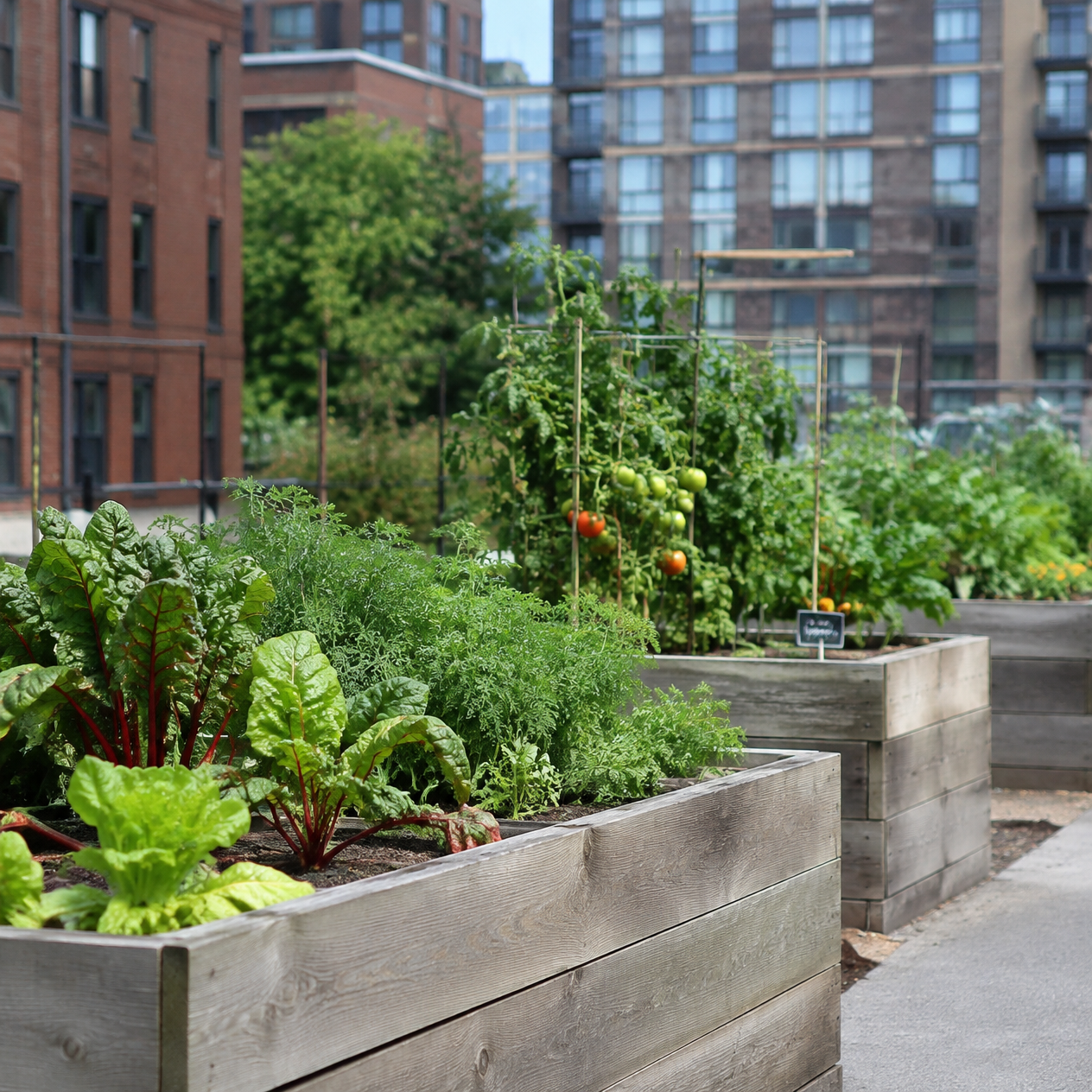
Interest in growing food at home increased during the COVID-19 pandemic, Salemi explained. Since then, more landscaping companies have begun offering services that help homeowners establish vegetable gardens, including raised garden beds. Raised garden beds are a great way for people to start growing food, even if they have limited gardening experience or space.
Community gardens are another important part of the picture. Through its chapter bursary program, Landscape Ontario helps fund community projects, including gardens that grow vegetables for local residents. “It’s exciting to be part of, and for us to be able to help fund some of these projects, is part of our mandate through our chapters to give back to the community,” Salemi said. These gardens create opportunities for community members to participate in food production and help grow fresh produce within their communities.
In a province as multicultural as Ontario, the foods people want to grow can vary widely. For Salemi, choosing what to plant is closely connected to family and culture. “Heaven forbid, there’s a summer without growing tomatoes in the backyard,” he said, describing how his father’s Sicilian background influences the tomatoes, peppers and basil he grows. Choosing vegetables that people enjoy eating can make gardening more rewarding and encourage them to keep growing year after year. However, successful gardening also depends on growing conditions. Salemi noted that the wet summer and fluctuating temperatures created challenges for tomato growers across Southern Ontario. Paying attention to plants throughout the growing season is important, particularly when weather conditions are less than ideal.
Making Urban Green Spaces Work Harder
Landscaping can also help cities respond to environmental challenges, including heavy rainfall and flooding. “We see, and we saw it over this past summer, lots of flooding happened,” Salemi said, describing the impact of heavy rain over a short period. Flooded roads, sidewalks and basements are just a few of the challenges communities face when large amounts of water overwhelm drainage systems.
Landscape Ontario supports approaches to help manage rainwater. One example is its work on Fusion Landscape Professional certification, which provides training in stormwater management for residential landscapes. The organization has also worked with municipalities and regions to support programs that encourage homeowners to make changes to their properties, including installing rain gardens. Rain gardens use plants and landscaped areas to help capture and manage runoff. Rain barrels can also collect water that can be used to water gardens during drier periods. Salemi described these approaches as “utilizing nature-based solutions to slow down the rushing storm water.”
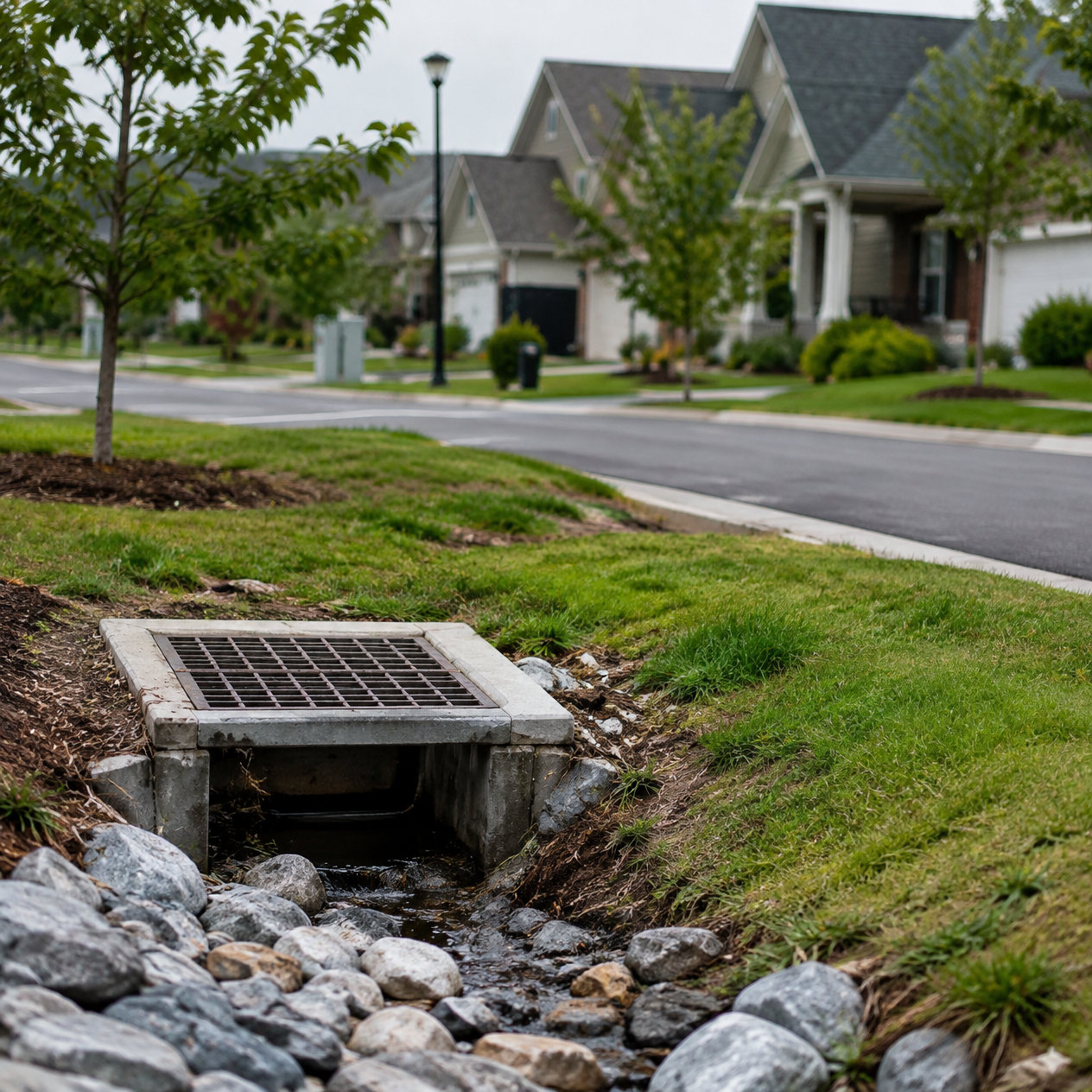
By capturing rainwater on a property rather than allowing it to flow directly into storm sewers and waterways, these approaches can contribute to better stormwater management. For homeowners planning a garden, Salemi recommends considering where rainwater flows around the property. Redirecting downspouts away from the home’s foundation and choosing plants suited to local conditions can help make outdoor spaces more resilient. He also recommends visiting an independent local garden centre, where horticultural experts can suggest appropriate plants, including options for rain gardens.
Researching More Sustainable Landscapes
Landscape Ontario is also investing in research with the University of Guelph and Vineland Research and Innovation Centre. Salemi highlighted projects exploring soil health, permeable pavement technologies and the winter hardiness of plants. “Investing in research that will further advance innovation and technology within the industry, for us, is really important,” he said.
This work is particularly relevant to urban trees, which often face difficult growing conditions in paved areas and other built environments. Identifying trees and planting methods that can better withstand these conditions could help communities maintain healthier urban green spaces. Research into soil health and permeable pavement can also help inform how landscapes are designed to support plant growth and manage water in these areas.
Alongside research, Landscape Ontario is working to strengthen the industry’s workforce. Salemi explained that the organization is developing a 30,000-square-foot training facility in Milton, intended to provide training opportunities for people across the landscape horticulture sector.
Start With the Space You Have
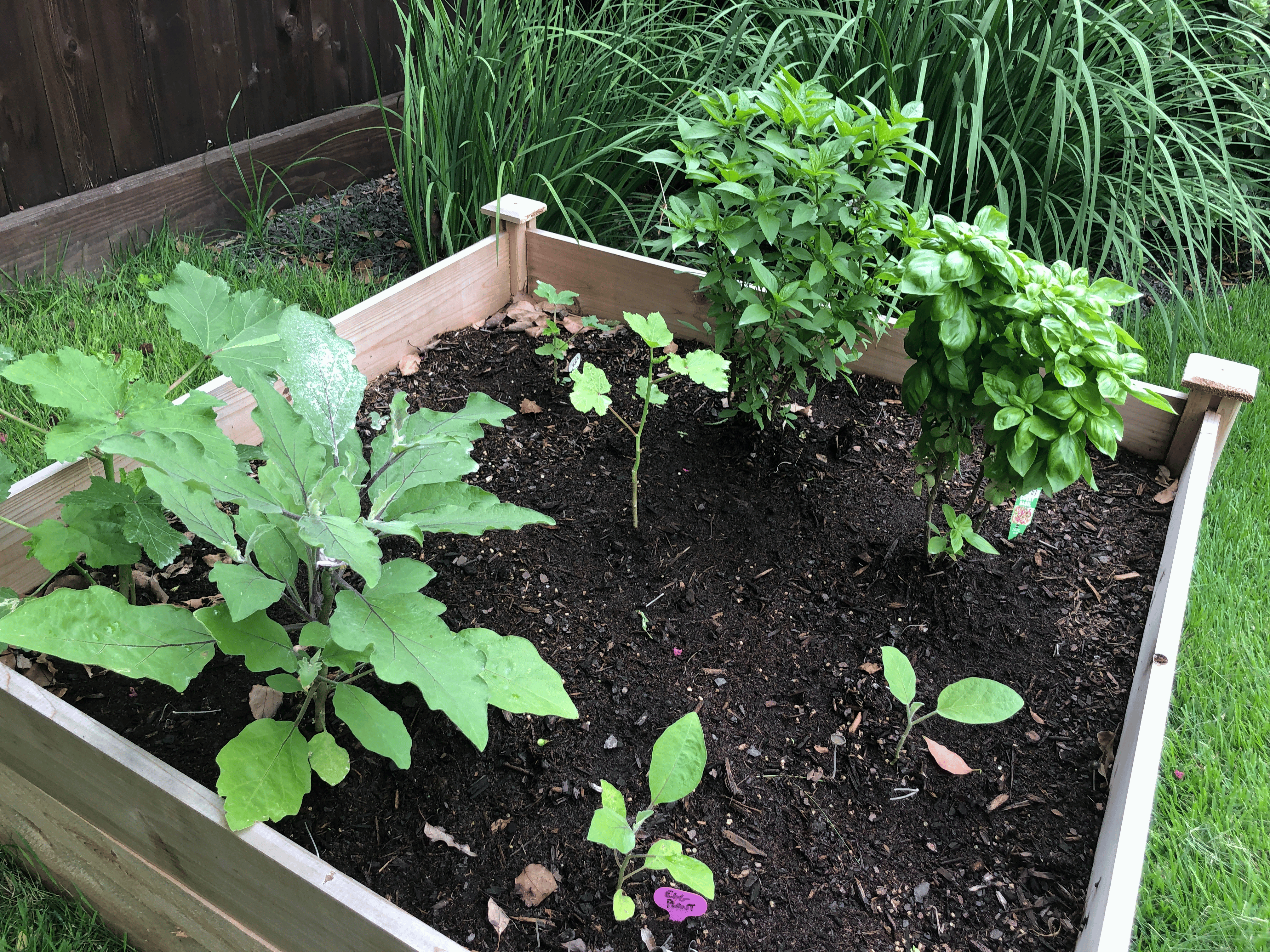
For people interested in creating their own urban food garden, a raised bed or a few containers can provide a great starting point. Choosing plants suited to the space, understanding local growing conditions and asking for advice from experienced horticultural professionals can help new gardeners get started.
Salemi’s final advice is to get outside and enjoy the garden. “Getting out and spending time in your garden is some of the best things that you can do for your body and for your mind,” he said.
Mistakes are part of the process, and there is always an opportunity to try again. “The great thing about your garden is that it’s going to continue to grow no matter what you do,” Salemi said.
Whether the goal is to grow vegetables, support biodiversity or manage rainwater, even small green spaces can help make Ontario’s communities greener. For those looking for professional landscaping services, garden centres or landscape designers in their area, Landscape Ontario provides a directory at landscapeontario.com.